May 12, 2026
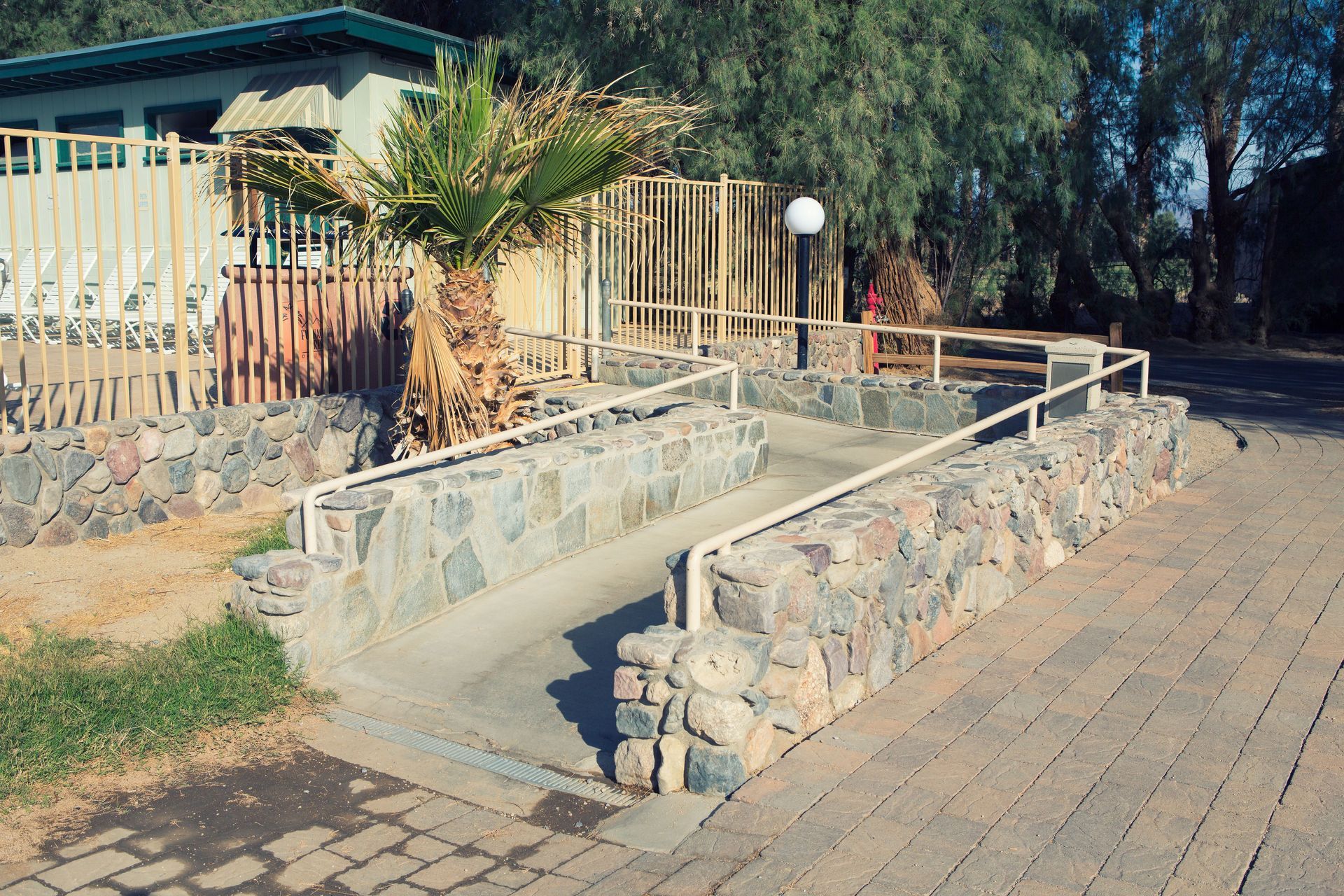
Creating a welcoming and accessible environment is a fundamental necessity for modern society. For individuals facing mobility challenges, everyday obstacles like stairs can severely limit their ability to navigate the world. Addressing these barriers is a crucial step toward ensuring equal opportunities for everyone. Integrating thoughtful accessibility solutions transforms homes and businesses into spaces where people of all physical abilities can move without restriction. Among the most effective solutions, wheelchair ramps serve as essential tools that bridge the gap between elevation changes and smooth transit. These structures provide a reliable pathway that empowers users to maintain their autonomy. Whether installed at a private residence to allow a homeowner to enter comfortably or placed at the entrance of a commercial building to welcome customers, these additions are indispensable. Recognizing the profound impact of accessible design helps communities foster inclusivity. Ensuring everyone has safe entry to the places they need to go creates a supportive environment for all.
Enhancing Independence for Individuals
Preserving personal autonomy is a vital aspect of a high-quality life, especially for those who rely on mobility devices. When buildings lack proper access points, individuals often must depend on family members or caregivers just to cross a threshold. This reliance can lead to feelings of frustration and a loss of personal freedom. The strategic placement of wheelchair ramps completely alters this dynamic by allowing users to navigate elevation changes entirely on their own. Instead of waiting for help to traverse a short flight of stairs, individuals can simply roll up a gentle incline and proceed with their day. This newfound independence extends to routine activities, from retrieving the mail to attending medical appointments. The psychological benefits of this autonomy are immense, as the ability to move freely bolsters self-esteem. When people manage their own mobility, they are more likely to participate in social events. Prioritizing accessible entryways is a direct investment in the personal empowerment of those with mobility challenges.
Preventing Accidents and Injuries
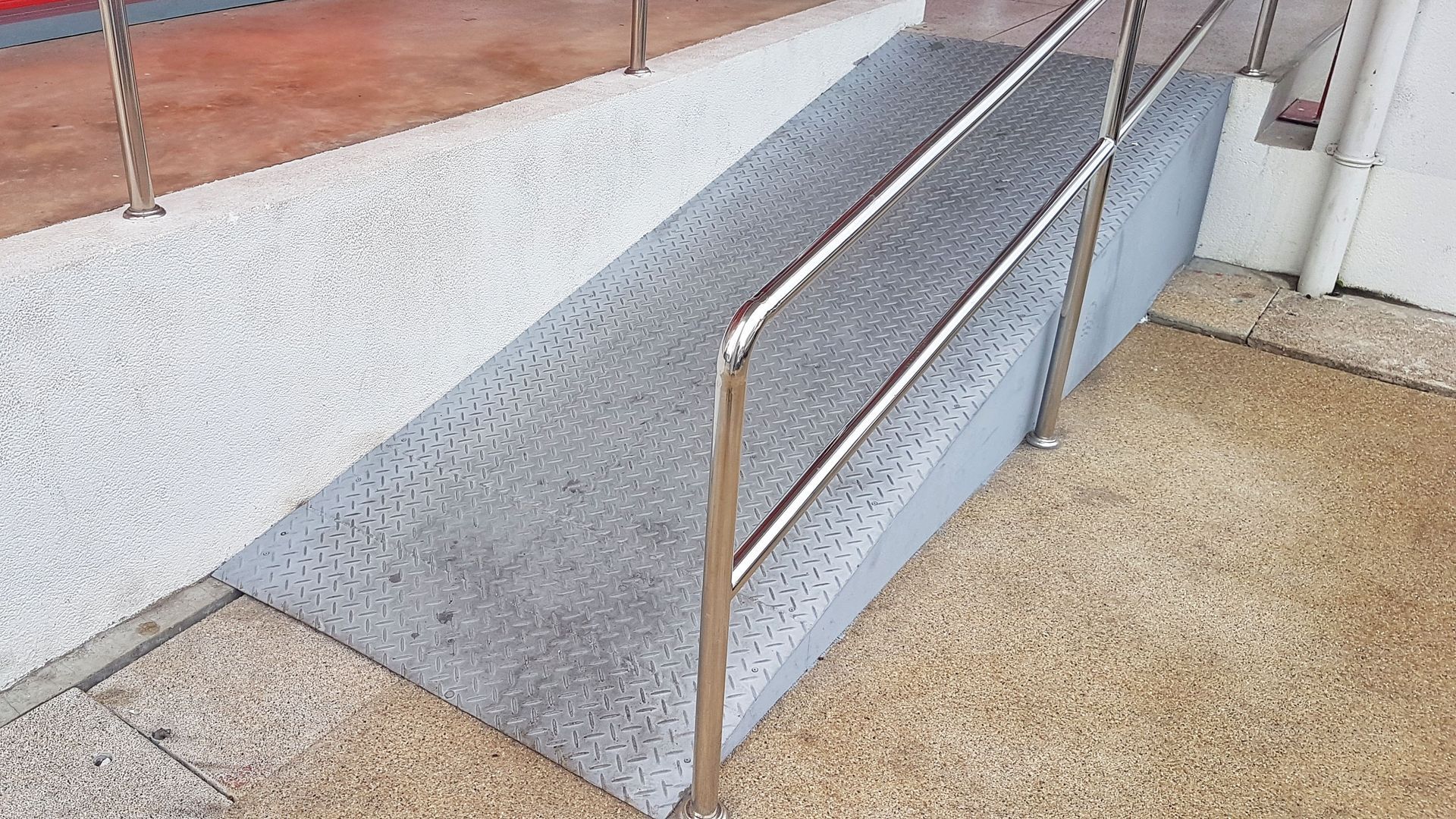
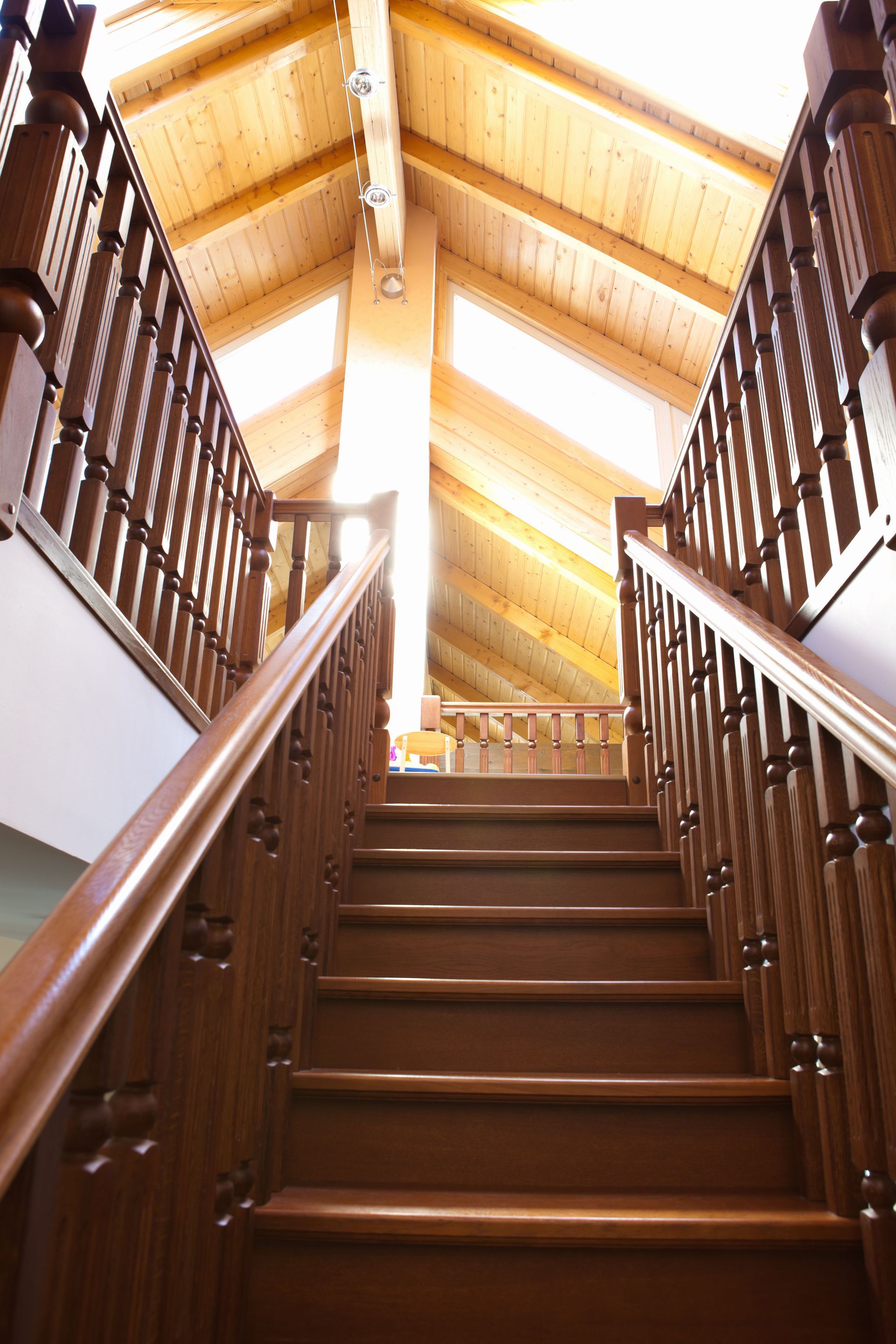
Safety is a paramount concern for anyone navigating an environment, but it becomes even more critical when mobility is restricted. Stairs present a significant hazard for individuals using mobility aids, as maneuvering a heavy device up or down uneven steps can result in a dangerous fall. Even a single step can pose a risky obstacle. By providing a smooth, gradual incline, wheelchair ramps eliminate the inherent dangers associated with navigating stairs. The even surface allows for stable traction and a controlled descent, drastically reducing the likelihood of accidents. These additions often feature handrails and slip-resistant materials, adding extra layers of security. These safety benefits extend beyond those using mobility devices; parents with strollers, delivery workers with heavy carts, and elderly individuals find a gradual incline much safer. Creating a secure pathway mitigates the risk of trips, ensuring the property remains a safe haven for every person who steps or rolls onto the premises.
Facilitating Access to Public Spaces
A thriving community is one that embraces all its members and ensures that public services are available to everyone. Many older buildings and public facilities were not originally designed with inclusivity in mind, leaving a portion of the population isolated from essential services. Implementing accessible architecture bridges this divide, allowing seamless entry into government buildings, educational institutions, and recreational centers. The widespread installation of wheelchair ramps is a highly effective method for retrofitting these public spaces to meet modern inclusivity standards. When civic centers and local businesses remove physical barriers, they send a clear message of welcome to all citizens. This inclusivity encourages a vibrant community dynamic, where people from diverse backgrounds can interact and contribute to the local economy. Access to public spaces is a fundamental civil right, and the architectural adjustments needed to facilitate this access are vital for an equitable society. Breaking down physical barriers ensures no one is excluded from community life.
Accommodating Various Mobility Needs
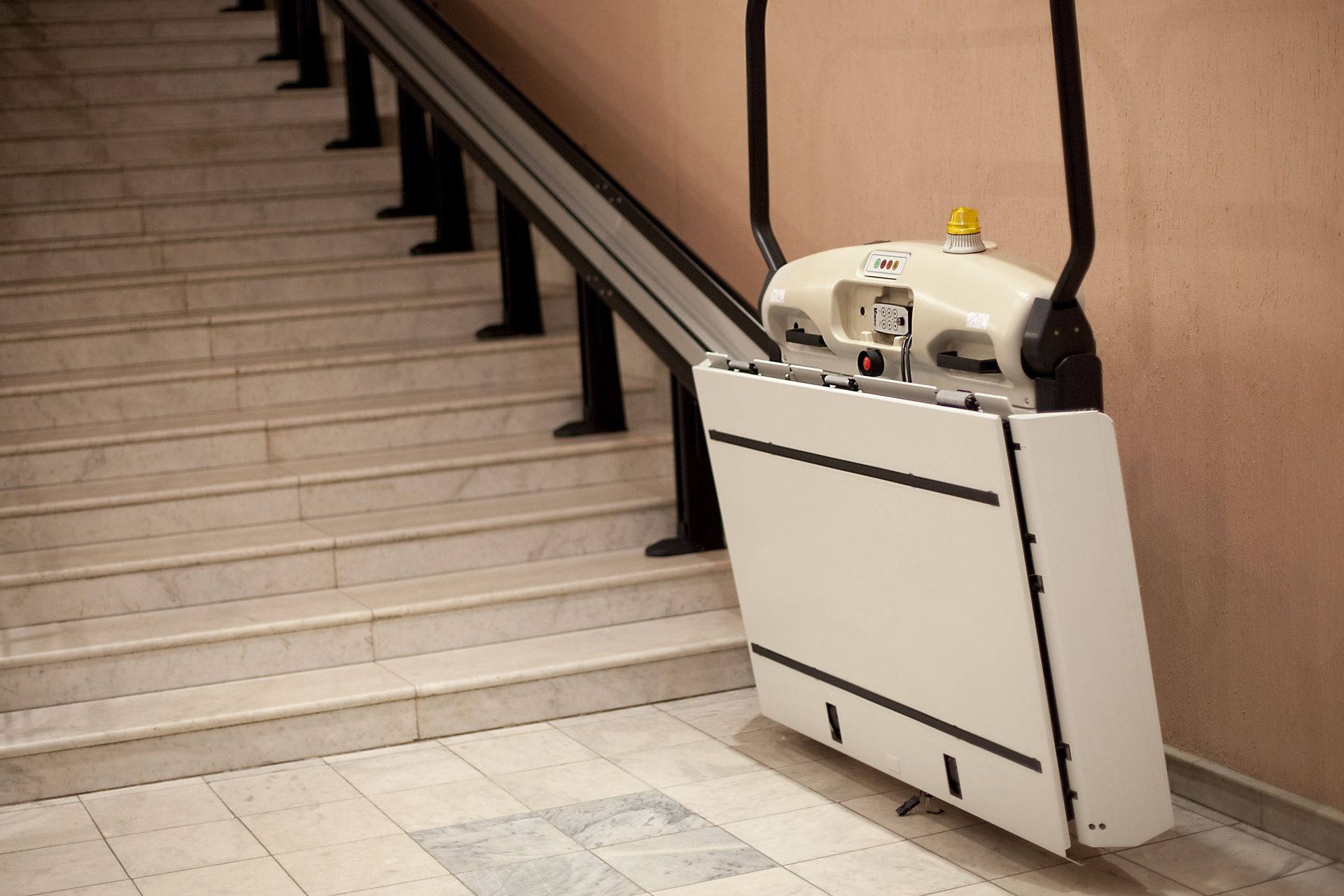
Accessible inclines are exceptionally versatile and serve a broad spectrum of mobility requirements. It is a common misconception that these pathways are strictly for those who cannot walk. In reality, a significant number of people benefit from the absence of stairs. Individuals recovering from surgeries, those dealing with chronic joint pain, or people utilizing walkers often find ascending steps to be excruciatingly painful. Properly designed wheelchair ramps accommodate all of these varied circumstances, providing a universal solution for ease of movement. Moreover, these pathways adapt well to changing life circumstances. For a family planning to age in place, installing an accessible entryway is a proactive measure that ensures the home remains navigable as mobility naturally declines. The adaptability of a continuous surface proves that inclusive design is rarely limited to a single demographic. By catering to temporary injuries, chronic conditions, and general mobility assistance, these installations prove their worth as a universally beneficial architectural feature.
Increasing the Value of Properties
Property owners are frequently looking for strategic ways to enhance the appeal and overall value of their real estate investments. While aesthetic upgrades are popular, functional improvements that expand the usability of a space often yield significant returns. Making a property accessible broadens the pool of potential buyers or tenants, as an increasing number of families actively search for homes accommodating specific mobility needs. Businesses, too, benefit financially; commercial properties equipped with wheelchair ramps attract a wider customer base and remain compliant with regulations, avoiding legal complications. Properties that already feature thoughtful, inclusive design elements are often perceived as more welcoming and forward-thinking. This positive perception translates directly into higher market desirability. An accessible entryway is a tangible asset that signals quality and care in the property's upkeep. For residential and commercial property owners alike, investing in modifications that prioritize safe movement is a practical financial decision that maximizes the property's appeal and market value.
Maintaining Infrastructure for Longevity
To ensure that accessibility solutions continue to provide safe passage over time, regular upkeep and careful attention to environmental impacts are necessary. An entryway is only as safe as its structural integrity, and neglecting maintenance can quickly turn a secure path into a hazardous one. The materials used to construct outdoor inclines are constantly subjected to harsh weather conditions, including rain, snow, and intense sunlight. According to HomeAdvisor, water accumulation is one of the most common reasons for wheelchair ramp repairs, as ongoing environmental exposure can lead to extensive wood rot, rust, or corrosion if the ramp is not routinely maintained. Property owners must proactively address these environmental challenges by ensuring proper drainage and applying weather-resistant sealants. Sweeping away debris, clearing ice during winter months, and checking the stability of handrails are simple steps in preserving the structure. Committing to a routine maintenance schedule guarantees that accessible pathways remain sturdy, reliable, and completely safe for every person.
Creating environments that prioritize safe, unobstructed movement is a profound commitment to the dignity and well-being of all individuals. By removing the physical barriers that hinder daily life, communities and property owners can foster a culture of true inclusivity. The thoughtful integration of continuous, sloped pathways completely revolutionizes the way people experience their surroundings, turning daunting obstacles into welcoming entry points. These essential structures ensure that personal independence is preserved, safety risks are dramatically reduced, and access to the broader world remains uninterrupted. The installation of wheelchair ramps is a powerful statement that a space values and respects everyone, regardless of their physical abilities. If you are ready to transform your property into a safe, accessible, and inclusive environment, professional assistance is available to guide you. Reach out to Patriot Mobility Inc today to learn more about comprehensive accessibility solutions. Embracing inclusive design is a vital step toward a better, more accessible future for everyone.