November 3, 2026
A home should provide comfort, safety, and independence for everyone who lives there. However, stairs, raised entrances, and uneven floor levels can create daily challenges for individuals who use wheelchairs or have limited mobility. Wheelchair lifts offer a practical solution by making different areas of a home easier to access without requiring extensive structural changes. Understanding how these systems work can help homeowners create a more accessible living environment.
Understanding the Challenges of Inaccessible Homes
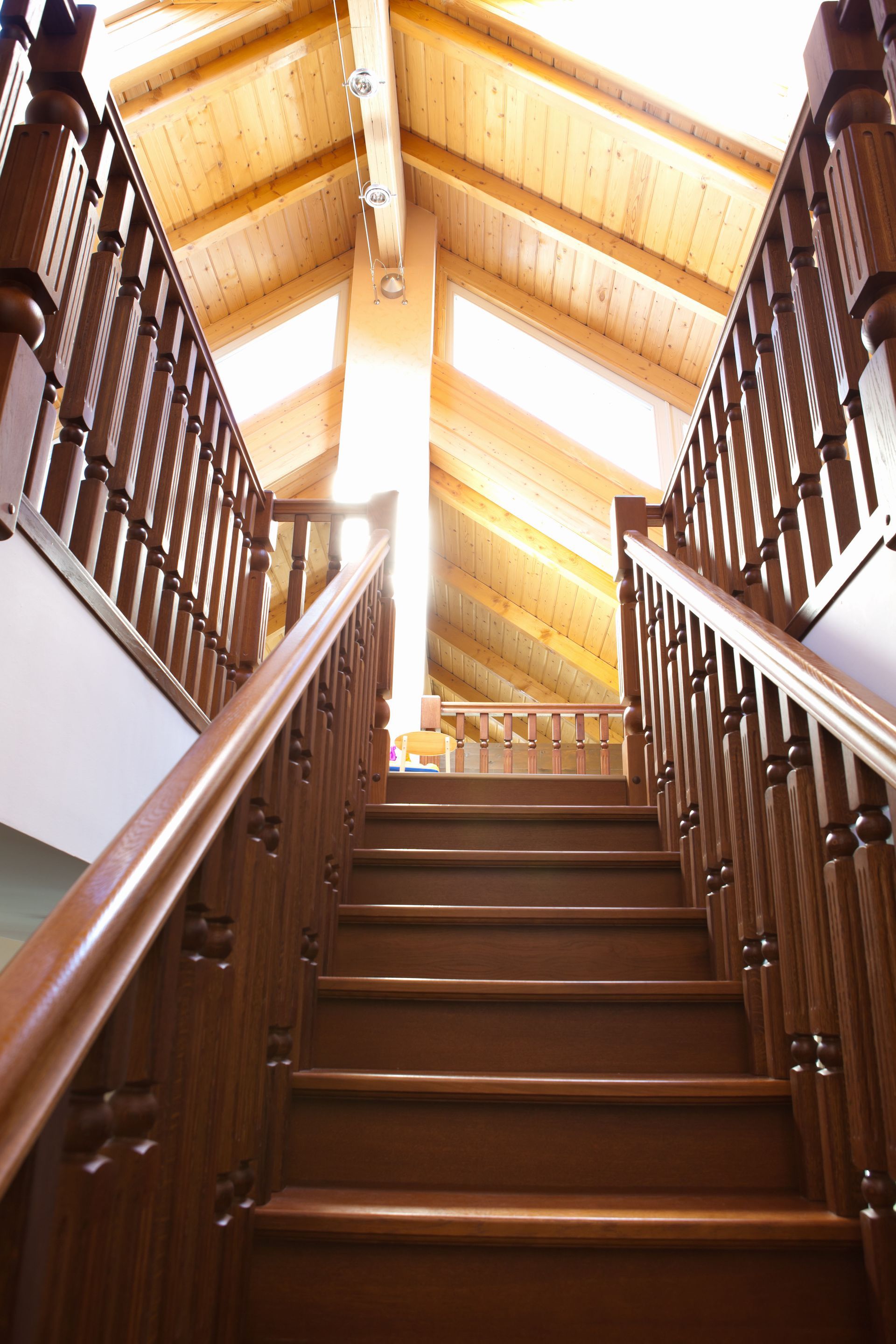
Many residential properties were designed without considering the needs of individuals with mobility limitations. Features such as narrow entrances, elevated porches, and staircases can make everyday activities difficult or require assistance from others.
According to Brain&Life, approximately 5% of homes in the United States have accessible features, while only 1% can accommodate wheelchair users. These figures highlight the significant barriers that many individuals face when trying to navigate their own homes.
Limited accessibility can affect more than physical movement. It may also reduce independence, complicate daily routines, and make it harder for individuals to participate in household activities.
Fortunately, mobility equipment can help address these challenges. By identifying problem areas and installing appropriate accessibility solutions, homeowners can create spaces that better support their needs.
Improving Access With Residential Lift Systems
One of the most effective ways to improve residential accessibility is by installing equipment that helps individuals move between different elevations.
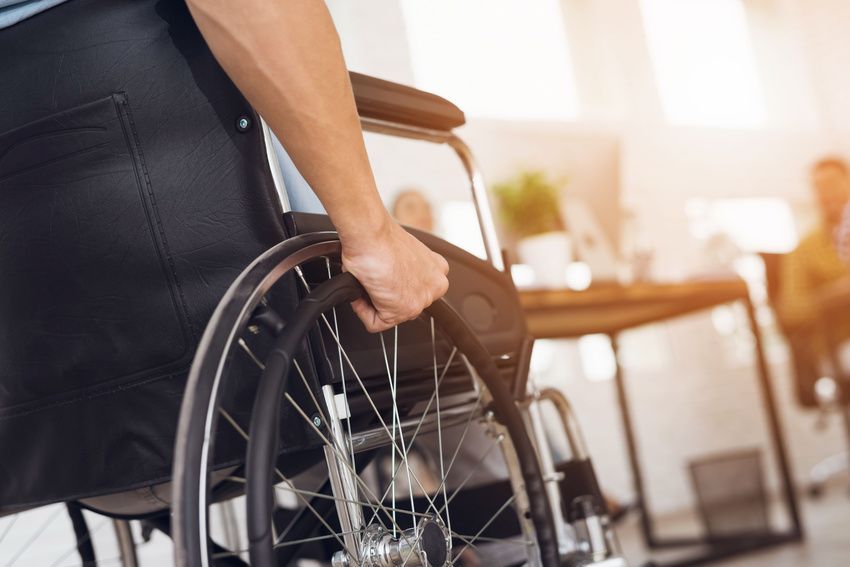
Wheelchair lifts provide a powered platform that raises or lowers a person using a wheelchair between designated levels. Unlike traditional stair lifts, which typically require users to transfer into a seat, platform lifts allow individuals to remain in their mobility devices during operation.
These systems can be particularly helpful in homes with elevated entrances, porches, or garages where installing a traditional ramp may be difficult.
Common residential applications include:
- Raised entrances: Providing access between ground level and an elevated doorway.
- Outdoor porches: Helping individuals reach entryways without navigating steps.
- Attached garages: Creating a more convenient route between parking areas and living spaces.
- Split-level areas: Improving access where the home's layout and available space permit installation.
The appropriate system depends on the home's configuration, the required travel height, and the user's mobility needs.
Evaluating the Home Before Installation
Before selecting mobility equipment, homeowners should carefully assess the areas that create accessibility challenges.
A professional evaluation helps determine whether the property has sufficient space for a lift and whether modifications may be necessary.
Several factors influence installation planning.
Available Space
The installation area must accommodate the platform, operating components, and safe entry and exit. Homeowners should also consider the space needed to approach the equipment and maneuver a wheelchair.
Height Requirements
The difference between the lower and upper landing determines the required lifting range. Accurate measurements help identify equipment that fits the property.
Structural Conditions
The installation surface must provide appropriate support for the equipment. Depending on the property, additional preparation may be required before installation.
Electrical Requirements
Powered lift systems require suitable electrical connections. Equipment specifications and installation requirements should be reviewed to determine the appropriate arrangement.
Evaluating these details early helps homeowners avoid unsuitable equipment choices and unexpected installation complications.
Choosing the Right Mobility Equipment
Selecting accessibility equipment requires an understanding of how different systems function.
Wheelchair lifts are particularly useful when an individual needs to travel between elevations while remaining seated in a wheelchair. However, other mobility solutions may be more appropriate depending on the person's abilities and the home's design.
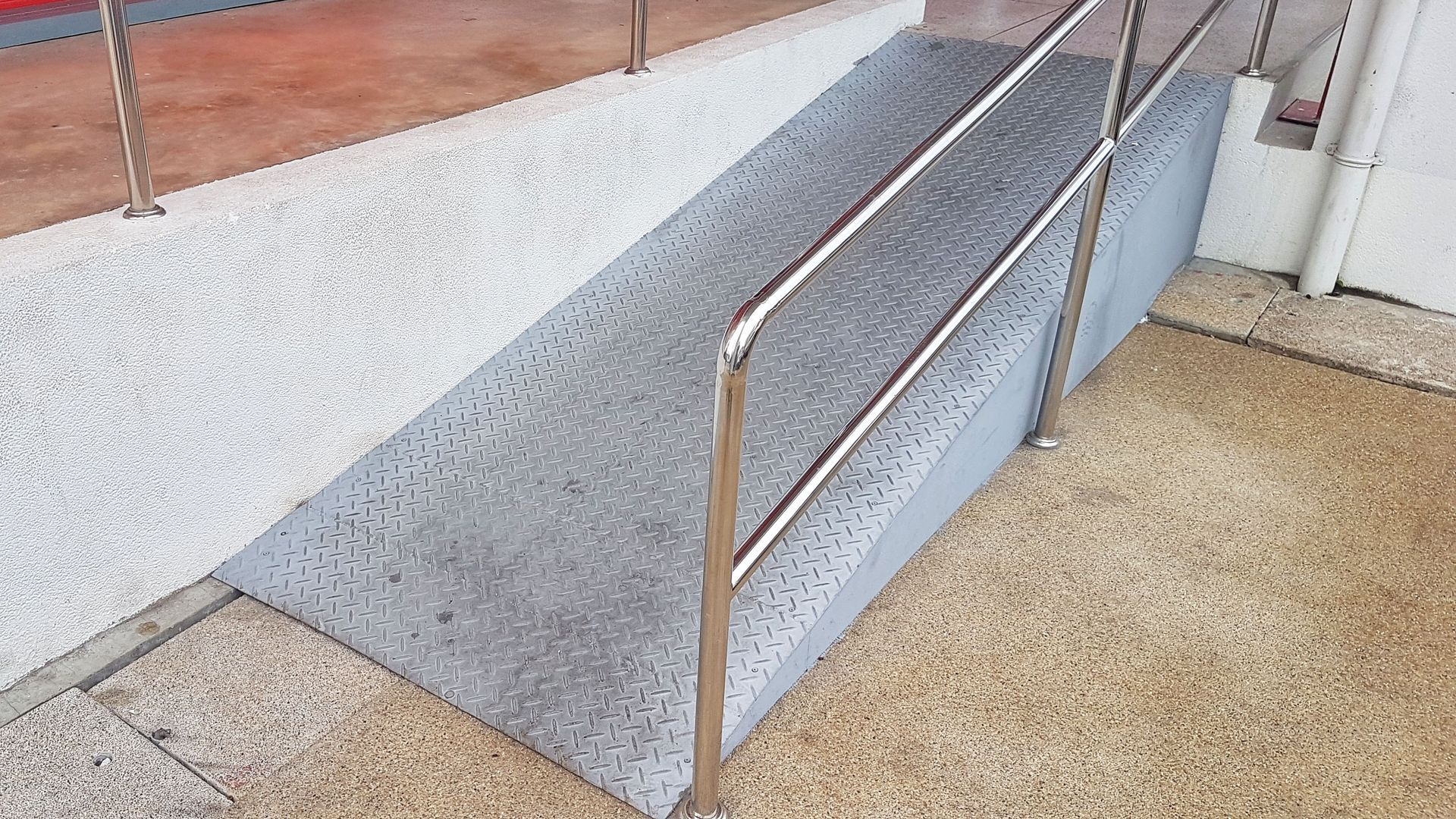
For example, wheelchair ramps provide an alternative when sufficient space is available for a gradual incline. They can improve access to entrances without requiring a powered lifting mechanism.
Stair lifts may be appropriate for individuals who can safely transfer into a seat and need assistance traveling along a staircase.
Vertical platform lifts, meanwhile, offer an option for wheelchair users who need assistance navigating changes in elevation.
Homeowners should consider the following when comparing equipment:
- The user's current and anticipated mobility needs
- The dimensions and layout of the installation area
- The equipment's rated weight capacity
- Accessibility and safety features
- Maintenance requirements and long-term usability
Choosing equipment based on individual needs rather than appearance alone helps create a more functional home.
Enhancing Safety Through Professional Installation
Proper installation plays an important role in ensuring that accessibility equipment operates as intended.
Wheelchair lifts contain mechanical and electrical components that must work together to provide controlled movement. Incorrect installation can affect equipment performance and create unnecessary safety concerns.
Professional installers evaluate the selected location, follow manufacturer specifications, and verify that the equipment is positioned appropriately.
Depending on the model, platform lifts may include safety features such as emergency stop controls, protective gates, and systems that help prevent operation under unsafe conditions.
Installers should also review operating instructions with the homeowner and explain important safety precautions.
Local building requirements and applicable equipment standards must be considered during installation. Professional guidance helps homeowners understand which requirements apply to their properties.
A properly installed system can provide dependable access while supporting greater confidence during everyday use.
Maintaining Reliable Performance Over Time
Regular maintenance helps mobility equipment remain functional and dependable.
Like other mechanical systems, wheelchair lifts experience wear through repeated operation. Routine inspections can identify developing problems before they interfere with everyday accessibility.
Maintenance may involve checking moving components, examining electrical connections, testing safety features, and confirming that the platform operates smoothly.
Homeowners can also support equipment performance by keeping the surrounding area clear and following manufacturer recommendations.
Common warning signs that equipment may need professional attention include unusual operating noises, inconsistent movement, difficulty activating controls, and visible component damage.
Ignoring these issues may lead to additional complications or equipment downtime.
Scheduled maintenance and timely repairs help preserve the functionality of accessibility equipment while supporting safer daily operation.
Creating a More Independent Living Environment
Improving accessibility can make a meaningful difference in how individuals experience their homes.
When residents can move more freely between important areas, they may need less assistance with daily activities. Easier access can also make household routines more convenient for family members and caregivers.
An accessible home supports independence while allowing individuals to remain connected to familiar surroundings.
For homeowners planning to age in place, accessibility improvements may also help accommodate changing mobility needs over time.
Accessibility improvements can also benefit visitors, caregivers, and other household members. A home with fewer mobility barriers allows everyone to participate more comfortably in everyday activities, from family gatherings to routine household tasks. Planning for accessibility before mobility challenges become more significant can also reduce the need for rushed modifications later.
Homeowners should consider how their needs might change over time, particularly when selecting equipment intended for long-term use. Thoughtful improvements can support daily convenience, encourage greater participation in family activities, and help individuals maintain a sense of independence while remaining in the homes they know and love.
The most effective approach begins with understanding the challenges present in the home and selecting practical solutions that address those specific barriers.
Wheelchair lifts can play an important role in transforming inaccessible properties into more comfortable, functional living spaces. Combined with thoughtful planning, professional installation, and ongoing maintenance, these systems can help individuals navigate their homes with greater confidence. Homeowners interested in improving residential accessibility can contact Patriot Mobility Inc to explore suitable mobility equipment, professional installation services, and maintenance options.