August 28, 2026
Designing structures that facilitate movement across residential and commercial environments requires careful planning, expert engineering, and an unyielding commitment to safety. Building code compliance represents a structural foundation that guarantees equal access for individuals navigating physical challenges. When accessibility installations are crafted without attention to technical parameters, they present hazards and physical obstacles. Professional installers prioritize precision because exact dimensional accuracy transforms simple pathways into access systems that foster daily confidence and autonomy.
Every structural installation must harmonize technical regulatory mandates with practical daily requirements. Achieving this balance requires field experience, knowledge of accessibility laws, and an understanding of user movement dynamics. High-quality wheelchair ramps serve as essential conduits for independence, enabling individuals using manual chairs, motorized devices, or walking aids to enter homes and public spaces securely. By examining how professional installation techniques eliminate physical barriers, property owners can better appreciate the structural mechanics and design standards that make daily navigation safe and reliable.
Understand Accessibility Frameworks and Legal Guidelines
National accessibility legislation transformed civil rights policy by mandating equal entry options across public and private spaces. These guidelines established parameters for architectural planning, ensuring physical environments accommodate individuals with varying capabilities. According to research published by the World Health Organization, 15% of the global population lives with some form of physical or mobility limitation, reinforcing the critical necessity of universal architectural access. Regulatory frameworks provide blueprints for constructing safe transit paths, setting structural benchmarks that prevent steep inclines and unstable footing.
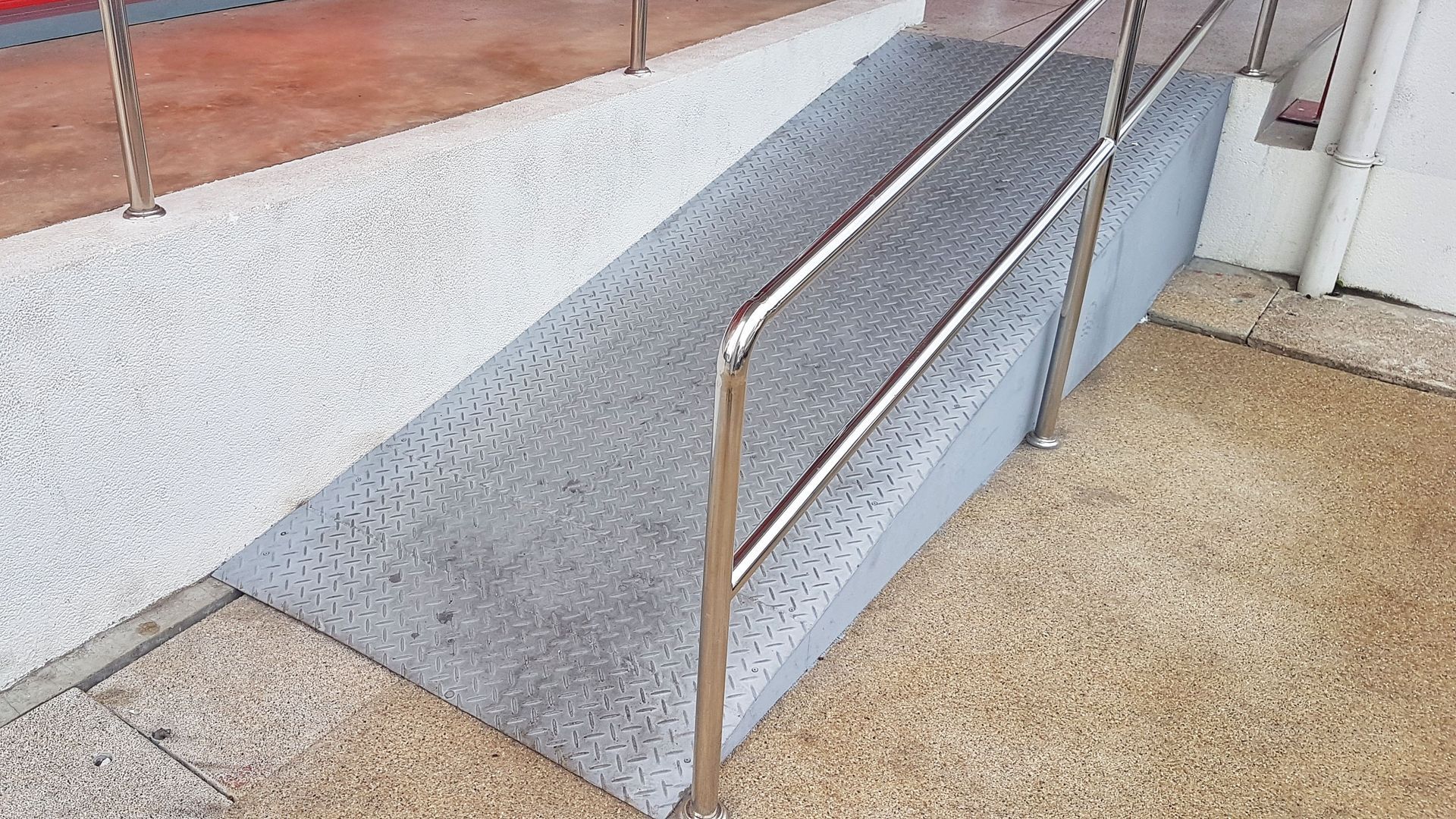
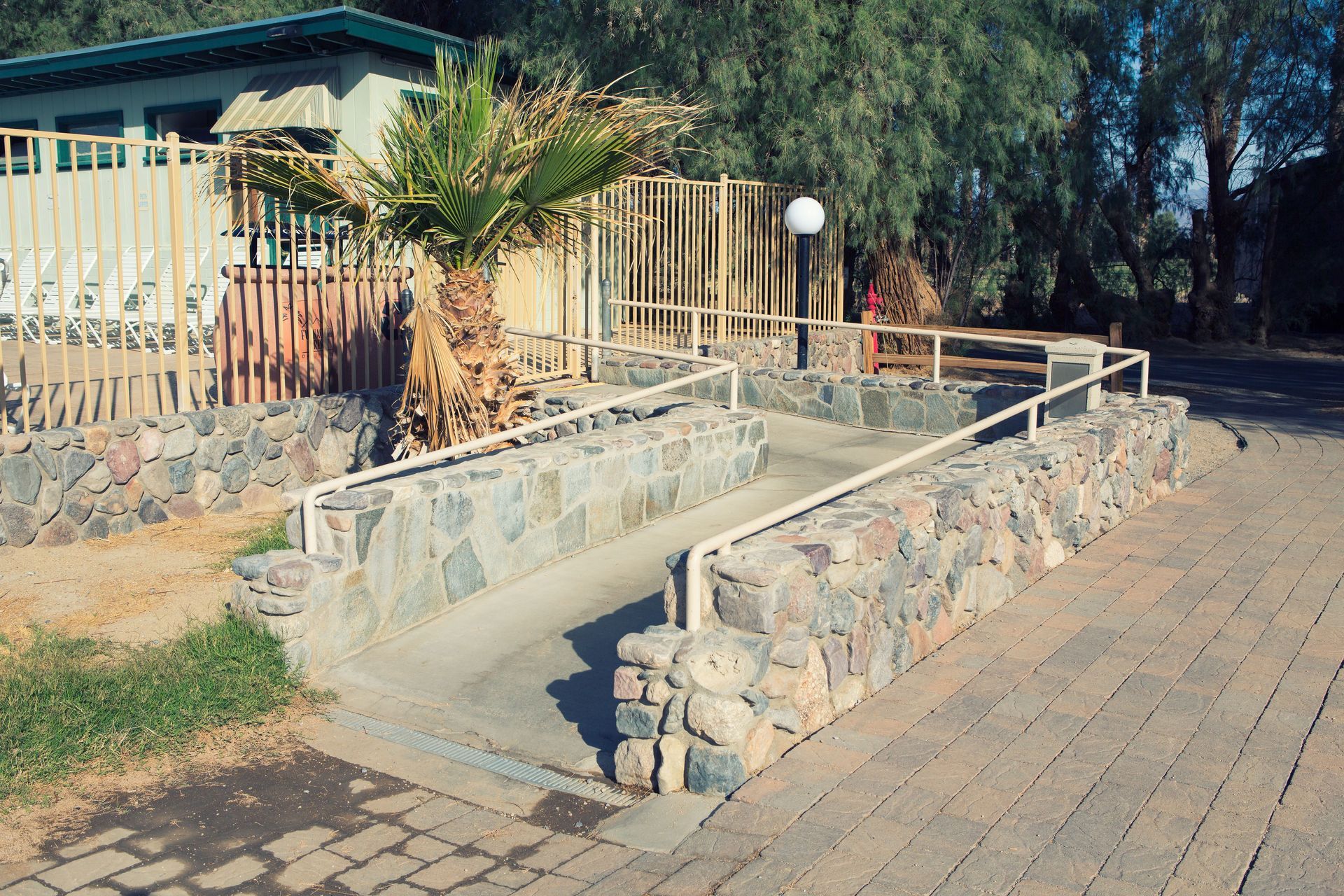
Structural mandates dictate essential elements such as slope angles, pathway width, and protective edge barriers to guarantee safe transit. Maintaining proper incline ratios ensures manual wheelchair users can traverse slopes without experiencing exhaustion or losing momentum. Proper clearance widths allow various mobility devices, including power chairs and scooters, to navigate entryways without scraping side structures or risking tip hazards. When professional technicians erect wheelchair ramps, they verify that every structural element adheres to mandatory dimensions, creating smooth transitions that eliminate drop-offs and ensure dependable access.
Execute Accurate Measurements and Quality Engineering
Precise spatial measurement forms the cornerstone of any successful accessibility installation project. Minor calculation errors during site evaluations can lead to improperly sloped runs, hazardous landing areas, or structural instability that compromises usability. Professional technicians utilize leveling tools to evaluate ground elevation, doorway thresholds, and surrounding landscape features. This diagnostic phase guarantees that the finalized layout accommodates specific property constraints while providing a stable, gentle incline that meets safety standards.
Material selection plays a vital role in ensuring structural integrity and weather resistance across all seasons. High-grade aluminum, treated timbers, and durable composite materials offer distinct structural benefits, ranging from low maintenance requirements to superior traction properties. High-quality wheelchair ramps feature non-skid surface treatments and integrated drainage channels to prevent water accumulation and icy buildup during winter conditions. Strict quality assurance protocols and detailed site inspections during assembly ensure that every finished ramp withstands daily usage while maintaining robust stability over time.
Enhance User Safety and Practical Usability
Understanding user needs is essential when designing structures intended for daily physical transit. Individuals navigating mobility challenges rely on predictable, stable surfaces that offer security during entry and exit routines. Incorporating continuous handrails, smooth transition plates, and protective side curbing enhances user confidence while actively mitigating slip or fall risks. Proper illumination around entrance landings and slope transitions improves visibility during evening hours, transforming entryways into welcoming, safe, and navigable pathways for residents, guests, and visitors alike.
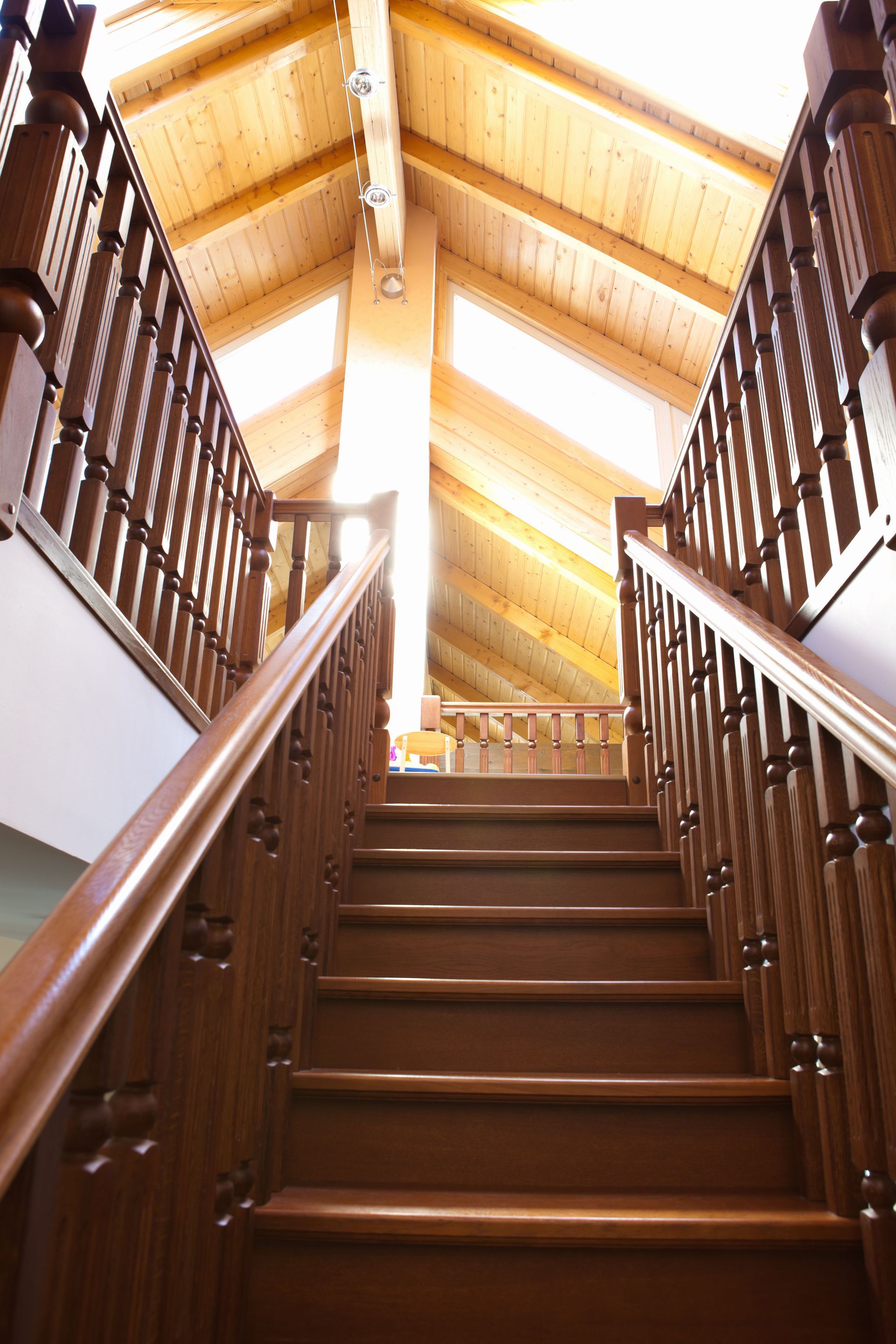
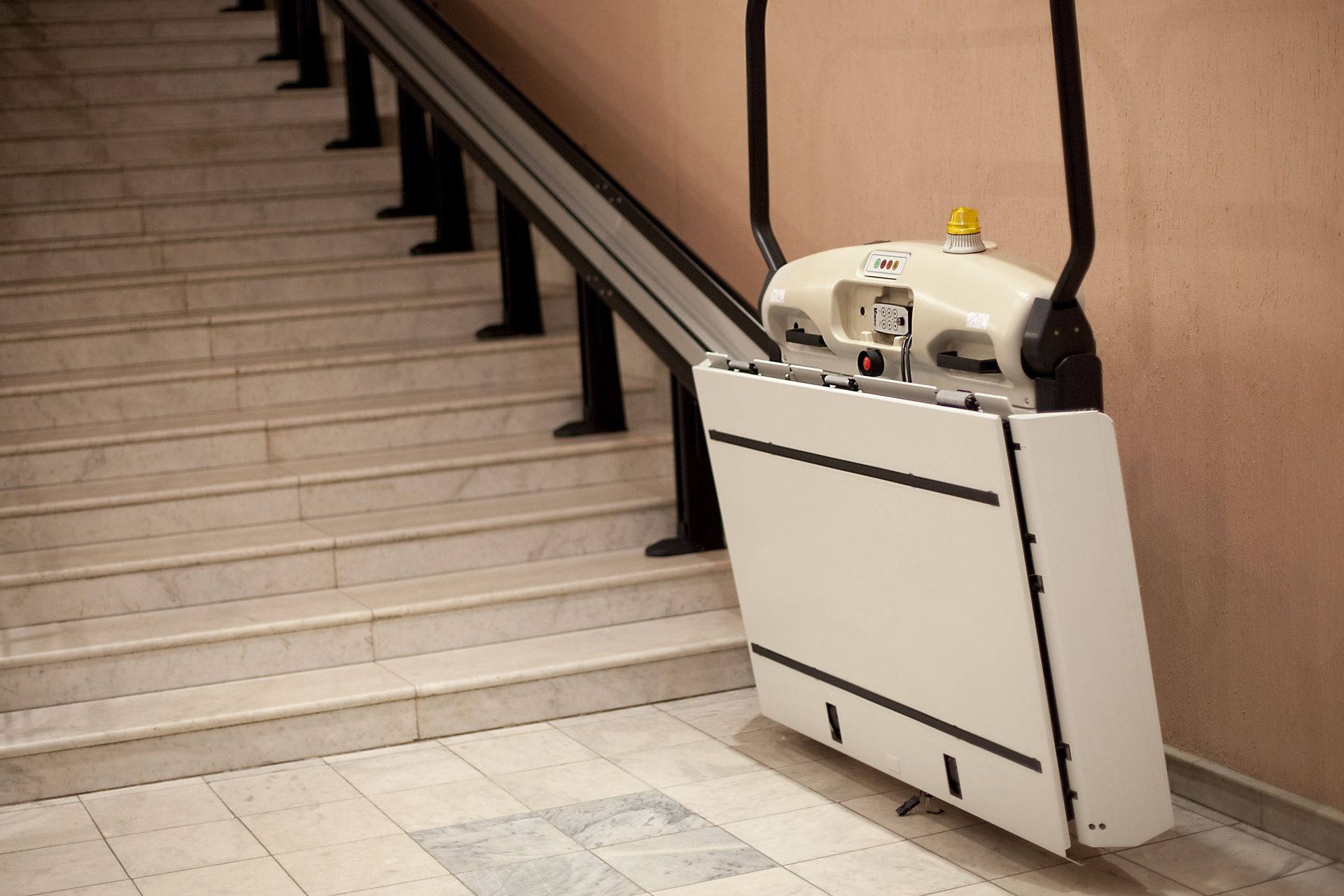
Structural stability requires robust support framing and secure anchoring systems capable of supporting heavy loads without shifting over time. Professional installation teams ensure foundation pads anchor properly into underlying surfaces, whether resting on soil, concrete, or asphalt. In addition to primary entry structures, complete property accessibility often incorporates complementary solutions such as vertical platform lifts, stair lifts, and scooter lifts to resolve complex elevation changes. High-quality wheelchair ramps work in tandem with these specialized installations to provide comprehensive mobility solutions that support continuous independence throughout the building.
Examine Strategic Value and Risk Reduction
Investing in professionally constructed accessibility infrastructure delivers value for property owners and facility managers alike. Structures built with technical precision experience less material stress, requiring fewer structural repairs and ongoing maintenance procedures over their operational lifespans. Creating accessible pathways attracts a wider demographic of visitors, clients, and family members, fostering an inclusive environment that welcomes every individual. Eliminating steep entry steps and uneven walkways reduces property owner liability by preventing accidental falls and injuries on the premises.
Constructing compliant pathways enhances property functionality and appeal without sacrificing aesthetic design. Custom-designed entry structures integrate seamlessly with existing architectural styles, utilizing color-matched finishes, decorative railing choices, and tasteful landscape integration. Property owners who proactively install durable wheelchair ramps safeguard their real estate investments while ensuring their locations remain accessible to aging family members or mobility-impaired guests. By choosing professionally engineered ramps, property managers secure peace of mind knowing their facilities present safe, functional, and welcoming entry options every day.
Uphold Ethical Responsibilities and Legal Mandates
Failure to implement compliant accessibility solutions exposes facility managers and business owners to legal risks and administrative liabilities. Non-compliant entryways can result in municipal citations, mandatory structural alterations, and operational delays while corrections are executed. Offering barrier-free entry reflects an ethical commitment to dignity, respect, and equal participation for every community member. Prioritizing safe access ensures public accommodations and private residences honor the rights of all individuals seeking equal entry to vital services, employment opportunities, and social gatherings.
Maintaining ongoing safety standards requires structured maintenance routines and periodic technical evaluations by qualified technicians. Regular inspections help identify surface wear, loose fasteners, or alignment shifts caused by seasonal ground movement before these minor issues evolve into safety hazards. Prompt maintenance and professional refurbishment preserve the structural integrity of entry installations, extending their service life indefinitely. By upholding quality standards and performing scheduled safety audits, building managers demonstrate a commitment to maintaining reliable, barrier-free environments that protect every user.
Embrace Modern Innovations and Universal Architectural Trends
The field of accessible architectural design continues to evolve, introducing innovative structural materials and versatile modular construction methods. Modern modular designs allow for rapid assembly, seamless reconfigurability, and custom adjustments tailored to complex landscape contours or spatial constraints. Advanced weather-resistant coatings and heavy-duty aluminum profiles provide exceptional durability against harsh weather, ensuring performance with minimal upkeep. These modern manufacturing techniques allow property owners to install highly adaptable wheelchair ramps that deliver superior structural strength while blending harmoniously with surrounding building aesthetics.
Contemporary architectural trends increasingly emphasize universal design principles, advocating for environments that are inherently accessible to all people without requiring adaptation. Integrating barrier-free entryways into initial architectural plans eliminates the need for retrofitted structures, creating clean, unified building facades that welcome everyone equally. Whether installing residential wheelchair ramps, commercial platform lifts, or specialized aquatic lifts for recreational facilities, professional installers ensure every mobility aid enhances physical freedom. Embracing inclusive building practices creates safer communities where every individual can navigate homes and public institutions with confidence, ease, and independence.
Achieving total property accessibility requires a balance of engineering precision, high-quality materials, and professional installation expertise. From initial site surveys and technical measurements to routine maintenance and safety inspections, every stage of construction plays a pivotal role in ensuring user safety. Properly engineered entry structures remove physical barriers, allowing individuals with limited mobility to navigate their environments safely and maintain independence. Partnering with experienced professionals ensures every installation meets safety standards, delivering long-lasting performance and peace of mind for home and business owners.
Long-term accessibility solutions transform everyday life by providing safe, reliable pathways that empower individuals to navigate their surroundings with complete freedom. Our dedicated team specializes in comprehensive accessibility services, including full ramp and lift maintenance, expert repair services, and custom structural installations tailored to your exact needs. Contact us at Patriot Mobility Inc today to discuss your accessibility requirements, and we will help you select the ideal solutions for your property.