December 3, 2025
Deciding to install a stair lift or vertical platform lift is a big step, but it can make a huge difference for anyone struggling with mobility. As we age or face health challenges, even something as simple as climbing stairs can start to feel like a real hurdle—and it can be risky too. That’s where modern mobility solutions like stair lifts and platform lifts come in, helping you move safely and comfortably around your home.
According to Research Gate, over 6.8 million Americans rely on mobility devices every day to stay independent and manage their routine safely. In this article, we’ll walk you through the signs that it might be time to invest in a lift and help you understand the best options for your home and lifestyle.
Signs of Mobility Challenges
Identifying early signs of mobility limitations can help you take proactive steps before stairs become a safety risk.
Increased Strain While Climbing Stairs
One of the most common indicators that a mobility aid may be needed is increased strain when ascending stairs. Shortness of breath, fatigue, or joint discomfort after climbing only a few steps signals that everyday stair navigation has become physically taxing.
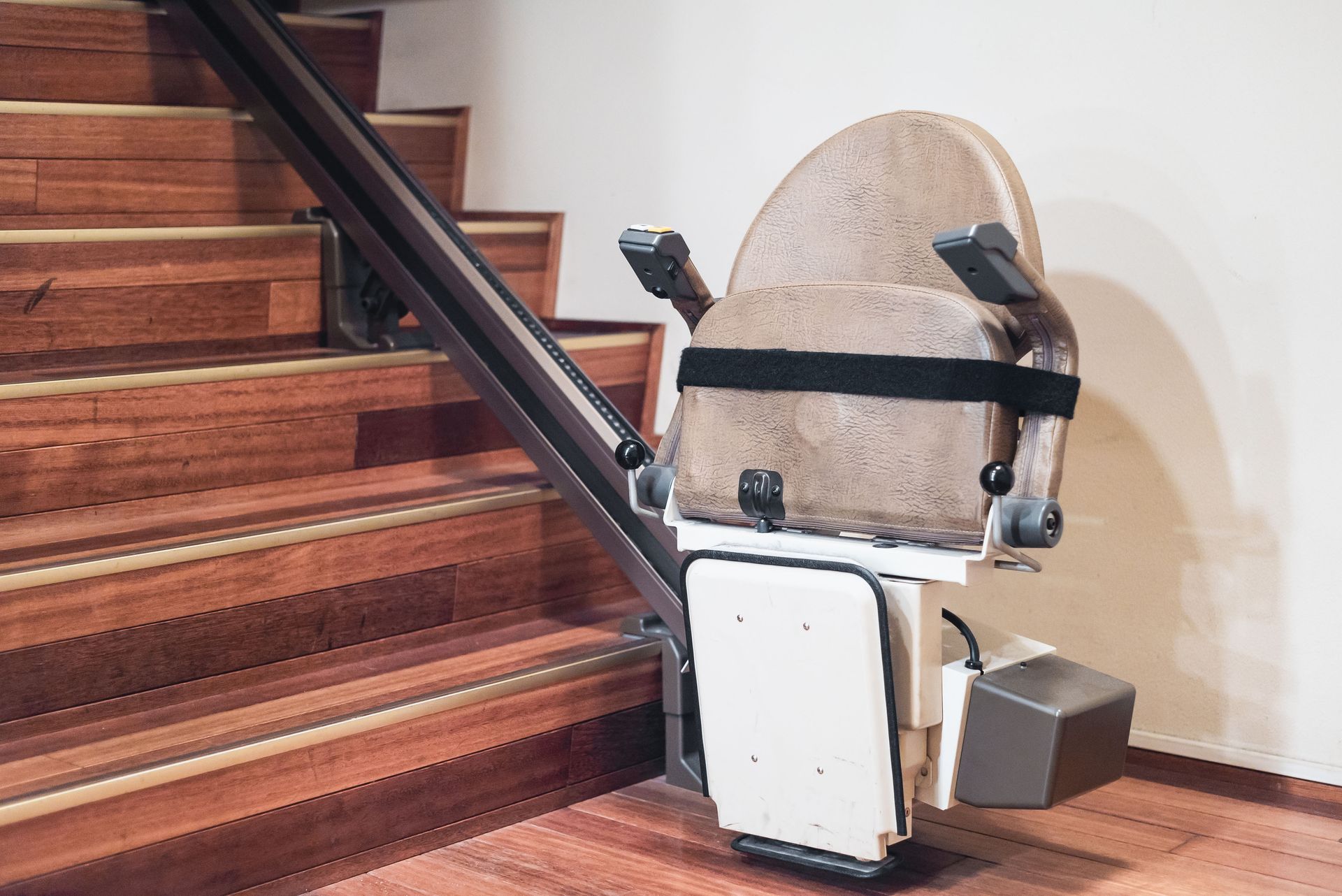
This strain is not simply a matter of fitness—it can reflect underlying mobility challenges. Installing chairlifts for stairs can eliminate physical exertion, providing a safe and convenient way to access different floors without risk of injury or exhaustion.
Frequent Need for Assistance
Needing help to navigate stairs is another clear sign of mobility limitations. Whether relying on another person for support or using additional aids, frequent dependence can erode confidence and hinder independence.
Chairlifts for stairs provide a self-sufficient solution, allowing individuals to move around their homes without constant assistance. By promoting autonomy, these lifts restore confidence and ensure residents can participate fully in daily activities.
History of Falls or Near Misses
A previous fall or a close call on stairs is a major warning sign that a mobility lift may be necessary. Falls are a leading cause of injury among older adults and people with physical limitations.
Even a single incident can cause lasting anxiety and reluctance to use stairs. Installing a lift mitigates the risk of falls by removing the need to navigate potentially hazardous stairways, providing peace of mind and a safer home environment.
Fatigue During Daily Activities
Fatigue that arises during routine tasks may indicate underlying mobility issues. Chronic conditions or physical limitations can drain energy levels, making stair use even more challenging.
Chairlifts for stairs reduce physical demands and conserve energy, enabling individuals to focus on other meaningful activities. Preserving strength for daily routines enhances both health and overall quality of life.
Pain or Discomfort in Joints
Joint pain, arthritis, or prior injuries can make stair climbing painful and discouraging. Regular discomfort while using stairs signals the need for alternative solutions.
A chairlift offers a pain-free method to move between floors, preventing additional strain on joints while maintaining accessibility. Choosing the right mobility aid ensures comfort and promotes ongoing independence in the home.
Assessing Home Safety
Understanding the potential hazards in your home is crucial for determining where a stair or platform lift could provide the most benefit.
Narrow or Steep Staircases
Homes with narrow or steep staircases pose a particular risk for those with limited mobility. Confined stairways increase the likelihood of slips or falls. Installing a chairlift or vertical platform lift transforms dangerous stairways into safe, navigable spaces, prioritizing the safety of residents while preserving accessibility throughout the home.
Limited Access to Essential Areas
When stairs block access to key areas like bedrooms or bathrooms, daily living can become inconvenient and unsafe. Mobility lifts ensure uninterrupted access to essential spaces, making home navigation smoother and safer. Chairlifts for stairs enhance convenience and support residents’ autonomy, helping them live comfortably in multi-level homes.
Existing Safety Hazards
Loose carpeting, slippery surfaces, or cluttered pathways can exacerbate mobility challenges. A lift system reduces interaction with these hazards, simplifying movement and lowering the risk of accidents. Proactively addressing safety concerns through the installation of a mobility lift demonstrates a commitment to maintaining a secure and supportive living environment.
Emergency Evacuation Needs
During emergencies, rapid evacuation is essential, but stairs can hinder safe exit for those with limited mobility. Chairlifts for stairs provide a reliable solution, ensuring residents can navigate stairways safely and efficiently in urgent situations. Including mobility lifts in emergency planning enhances preparedness and peace of mind.
Long-Term Accessibility Planning
Improving accessibility isn’t just about addressing current challenges—it’s about anticipating future needs. Planning for lifts now allows homes to adapt as mobility requirements change, fostering sustainable and inclusive living arrangements. Forward-thinking accessibility solutions ensure residents remain safe and independent over time.
Considering Health Changes
Health conditions often evolve, and preparing your home for potential mobility limitations helps maintain independence.
Progressive Conditions
Conditions like Parkinson’s disease or multiple sclerosis can gradually reduce mobility. Anticipating these changes and installing chairlifts for stairs or platform lifts early helps maintain independence and safety as physical capabilities evolve. Preemptive installation reduces stress and allows for smoother adaptation to progressive limitations.
Frequent Medical Appointments
For individuals attending frequent medical appointments, reliable home access is essential. Mobility lifts simplify daily routines, removing stair-related barriers and allowing residents to manage health needs without added difficulty. Streamlined home navigation ensures consistent access to care and enhances overall well-being.
Professional Recommendations
Healthcare providers can offer valuable insights into when mobility aids are necessary. Expert recommendations help families make informed decisions regarding lifts, ensuring the chosen solution meets medical and safety requirements. Adhering to professional guidance supports long-term mobility, independence, and confidence in home accessibility.
Evolving Physical Limitations
Mobility needs can change over time. What was manageable initially may become challenging as health or strength changes. Regular assessment of physical capabilities ensures that homes are appropriately adapted. Chairlifts for stairs provide a flexible and reliable solution to evolving mobility requirements, maintaining consistent accessibility and safety.
Anticipated Recovery or Decline
Understanding potential recovery trajectories or anticipated health decline informs mobility planning. Whether planning for post-surgery recovery or preparing for progressive limitations, lifts provide a dependable solution for safe stair navigation. This preparation ensures homes remain functional and residents continue to move independently.
Evaluating Financial Considerations
Assessing costs, financing options, and long-term value helps ensure that mobility improvements fit within your budget.
Budgeting and Financing Options
Installing a stair lift or platform lift can represent a significant investment. However, financing options, insurance coverage, and grants for mobility devices can make installation more affordable. Exploring these avenues ensures families can implement accessibility solutions without undue financial strain.
Impact on Home Value
Accessibility enhancements, including chairlifts for stairs, may influence property value. While some buyers may perceive lifts as modifications, others recognize their importance for aging-in-place and long-term usability. Properly implemented, lifts can increase the appeal and functionality of homes for a broader range of residents.
Cost-Benefit Analysis
Weighing the upfront costs of a lift against the long-term benefits—including safety, independence, and quality of life—demonstrates economic value. Reduced caregiver dependence and lower fall risk often outweigh initial expenditures, reinforcing the practicality of investing in mobility solutions.
Maintenance and Service Considerations
Ongoing maintenance is essential for ensuring the reliability and longevity of lifts. Budgeting for regular servicing ensures continuous functionality and minimizes unexpected repairs. Many suppliers offer maintenance plans that simplify ongoing upkeep and provide additional security for long-term use.
Exploring Mobility Solutions
Comparing available lift types allows you to select the option that best meets your home layout and lifestyle needs.
Design Considerations
Modern lifts focus on aesthetics, with sleek, minimalist designs that integrate seamlessly into homes. Homeowners can prioritize both functionality and visual appeal, choosing lifts that meet safety needs without compromising design preferences.
User Experiences and Technical Features
Exploring testimonials and product specifications provides insights into practical daily use. Features like battery backups, safety sensors, and remote operation enhance convenience and reliability. Understanding these features ensures a lift is compatible with both the home environment and user needs.
Improve Your Home Safety Today
Deciding to install a stair lift or vertical platform lift is an investment in both safety and independence. By carefully evaluating mobility challenges, home safety, health considerations, financial aspects, and available options, individuals can make well-informed choices that improve quality of life.
Chairlifts for stairs provide a safe, convenient, and reliable way to navigate multi-level homes, supporting autonomy and reducing risk of falls. With thoughtful planning and expert guidance, these mobility solutions allow residents to remain comfortably and confidently in their homes, regardless of evolving mobility needs. If you're looking to install chairlifts for stairs in your home, be sure to reach out to Patriot Mobility Inc today.