January 2, 2026
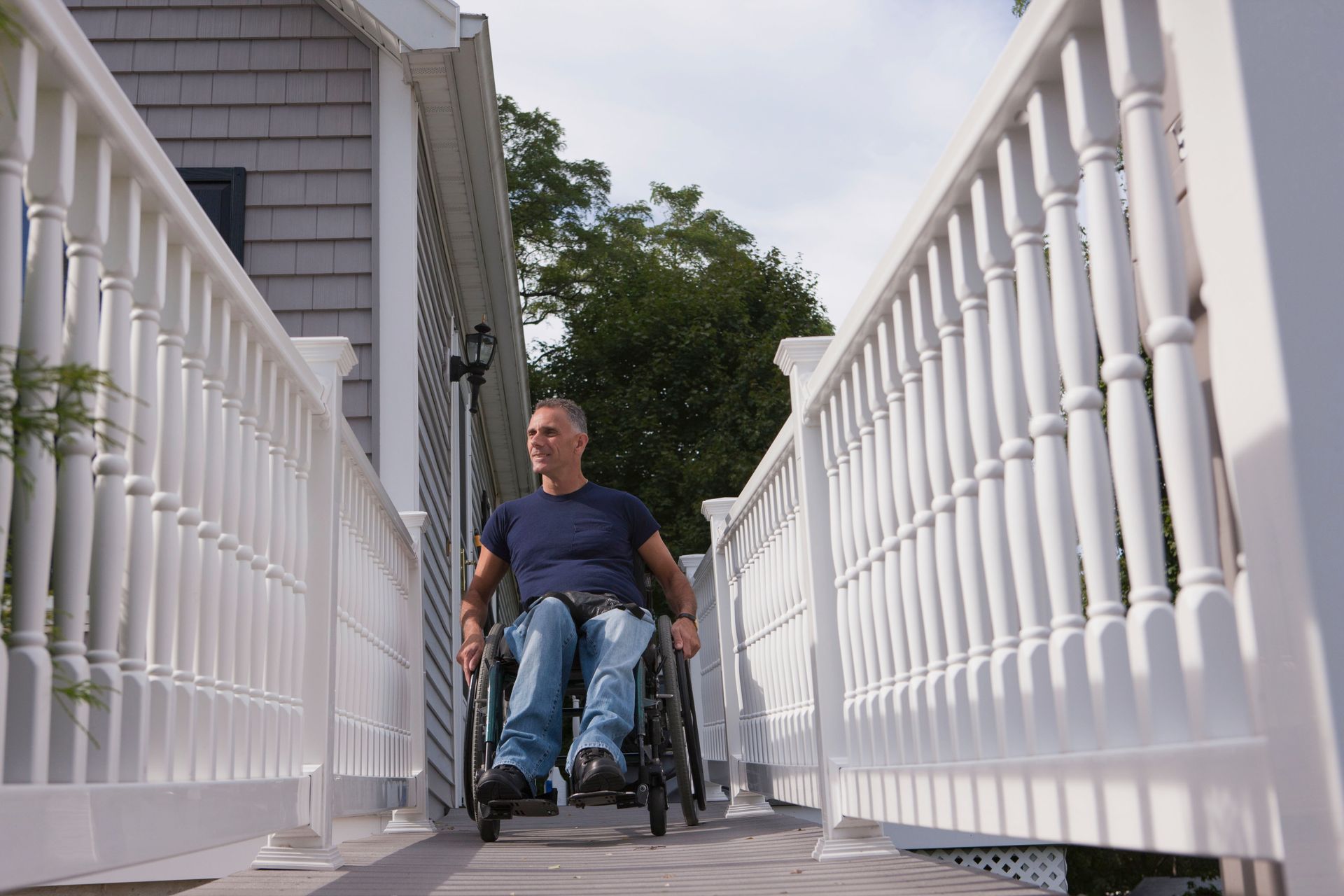
Safe, reliable access is essential for people who use mobility aids and for families planning for changing physical needs. A single step at an entryway, an uneven walkway, or a narrow landing can create real barriers that limit independence and increase the risk of falls. When accessibility is improved thoughtfully, a home becomes easier to navigate and safer to live in without turning daily routines into obstacles. While ramps are often associated with wheelchairs, they can also support walkers, scooters, caregivers assisting a loved one, and anyone who benefits from a stable, gradual transition between surfaces.
Many homeowners consider prefabricated kits or do-it-yourself builds when they first explore ramp options. However, ramps must perform under real-world conditions: rain, heat, repeated use, varying weights, and occasional emergencies when someone needs to exit quickly. Small design errors can lead to significant safety problems, including unstable surfaces, steep slopes, inadequate landings, or weak attachment points that shift over time. Working with wheelchair ramp installers helps ensure the final structure is not only functional on day one but dependable for years, with careful attention to usability, stability, and long-term maintenance.
Assessing Mobility Needs and Entryway Conditions
The most effective ramp solutions begin with a careful assessment of both the user’s needs and the property’s layout. Homes differ widely in entryway height, available space, soil stability, and walkway design. A ramp that works well at one home may be unsafe or impractical at another. Professional wheelchair ramp installers evaluate the location to determine where a ramp can be placed for a safe approach, a comfortable turning space, and smooth transitions at the doorway.
A thorough evaluation considers how the ramp will be used day to day. Manual wheelchairs typically require different slope tolerance and maneuvering space than power chairs or scooters, which may have larger turning radii and heavier weights. Assessments also account for whether a caregiver will frequently assist, whether the user will carry items, and whether the ramp must connect to a driveway, sidewalk, or porch. In many cases, what appears to be a simple straight ramp becomes safer as an L-shaped or switchback design because it can provide gentler slopes and more stable landings.
The need for safe access is widespread, not limited to a small group of households. According to the CDC, about 12.1% of adults in the United States live with a mobility disability that involves serious difficulty walking or climbing stairs. This reality makes thoughtful accessibility planning increasingly important for homeowners, landlords, and families supporting aging relatives. A well-executed assessment helps prevent costly revisions later and reduces the likelihood that the ramp will feel awkward, steep, or difficult to use.
Designing Safer Ramps Through Code-Aware Planning
Ramp safety is largely determined by design choices made before installation begins. Slope, width, landing length, handrail placement, and edge protection directly affect whether a ramp feels stable and manageable. Professional planning ensures the ramp is designed with the user’s safety and comfort in mind while also accounting for local requirements that may apply to residential or multi-unit properties. When ramps are designed without proper guidelines, users may face instability during ascent and descent, especially when traction is reduced by moisture or debris.
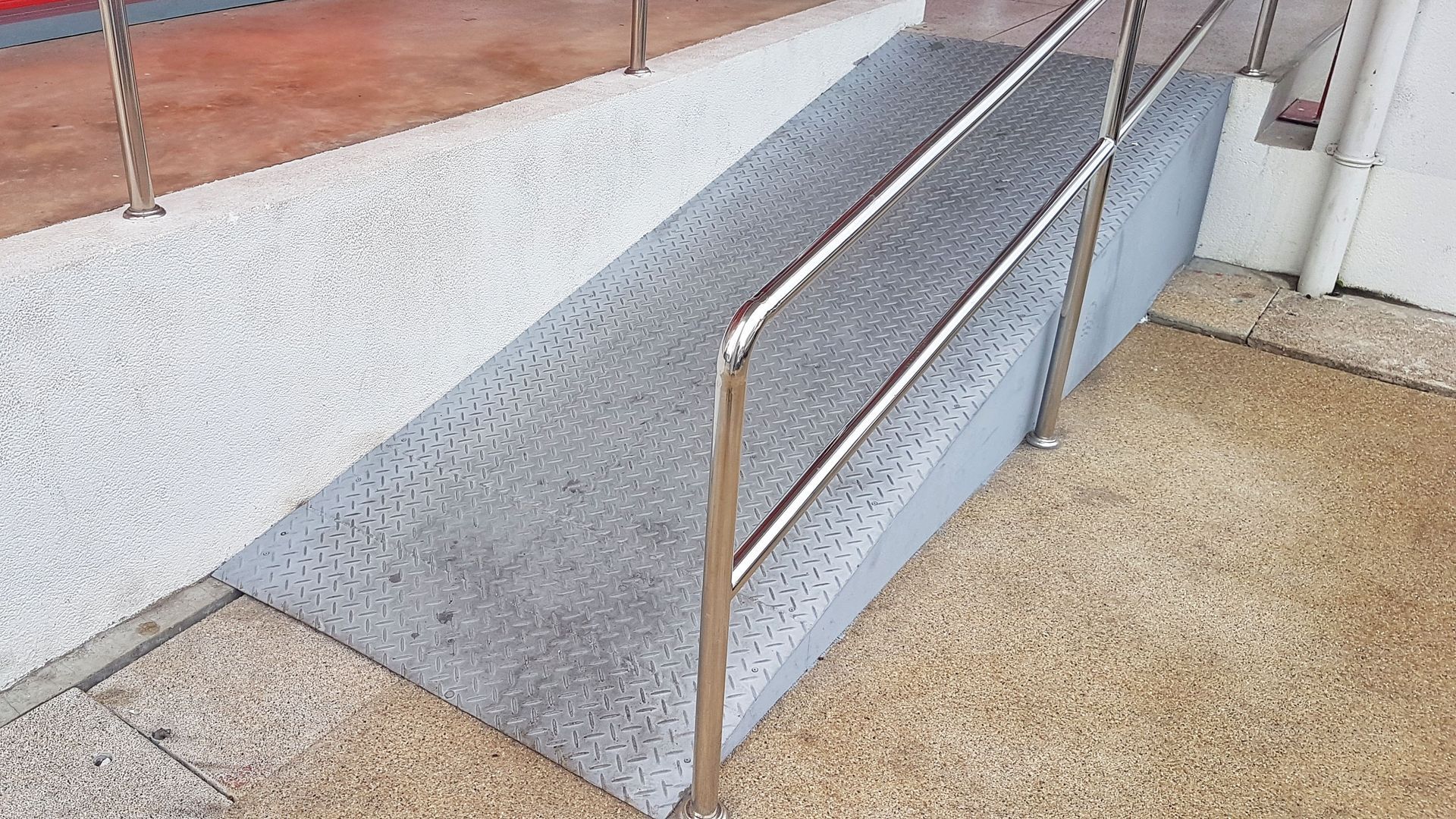
Wheelchair ramp installers typically incorporate features that improve usability and reduce fall risk. For example, handrails can support users who walk with assistance or who transfer between mobility devices. Edge barriers help prevent wheels from slipping off the side, and slip-resistant surfaces reduce the risk of sliding during rain or early-morning condensation. Landings at the top and bottom provide critical space for turning, resting, and safely opening doors without rolling backward or straining.
Code-aware planning also protects property owners. A ramp that meets accepted standards is more likely to perform safely and predictably, which is especially important if multiple people use the ramp or if the home may be sold in the future. Proper planning helps ensure the ramp’s slope is manageable, its transitions are smooth, and its anchoring method is appropriate for the structure. The result is not simply a ramp that exists, but a ramp that works reliably and reduces hazards rather than creating them.
Selecting Materials That Withstand Weather and Daily Use
Material choice affects both safety and long-term value. Ramps must withstand repeated use and environmental exposure without becoming slippery, unstable, or structurally compromised. Aluminum ramps are often favored for corrosion resistance and minimal maintenance, particularly in wet climates or areas with frequent rainfall. Steel ramps can provide excellent strength and rigidity, but may require protective finishes and routine checks to prevent rust. Wood ramps can blend into residential exteriors but need regular sealing, inspection, and upkeep to resist warping, rot, and surface breakdown.
A key benefit of working with wheelchair ramp installers is guidance on matching materials to real conditions. Installers consider whether the ramp will be exposed to sprinklers, runoff, or shaded areas where moisture lingers. They also assess soil grading and drainage, since water pooling near ramp footings can undermine stability over time. In addition, material selection takes into account the weight and usage patterns expected. A ramp used multiple times daily by a power chair may require different structural considerations than a ramp used occasionally by a walker.
Surface traction is another critical factor. Even durable ramps can become unsafe if the surface becomes slick due to moisture or wear. Appropriate texture, coatings, and maintenance recommendations help keep the ramp safe through seasonal changes. When the material is chosen thoughtfully and installed correctly, the ramp remains stable, secure, and predictable—qualities that matter every time a user travels up or down the incline.
Enhancing Independence and Reducing Caregiver Strain
Accessibility improvements have a direct impact on daily life. A stable ramp can turn an entryway from a barrier into a reliable path, allowing users to leave home without requiring lifting, awkward transfers, or risky navigation over steps. Professional wheelchair ramp installers prioritize practical usability: smooth transitions, adequate turning space, and a layout that supports independent movement rather than forcing users into tight approaches or steep climbs.
Independence often improves emotional well-being as well. When a person can enter and exit their home without needing multiple people to assist, they can participate more fully in community life, medical appointments, social visits, and everyday errands. Reliable access can also encourage more time outdoors, which supports mental health and physical engagement. For families, that shift can be significant, particularly when accessibility changes reduce the feeling that every outing requires complex planning or physical effort.
Sustaining Accessibility Through Long-Term Support and Upkeep
Ramps are not “set it and forget it” structures. Like any exterior feature, they require periodic checks to ensure bolts remain tight, surfaces remain slip-resistant, and transitions remain stable as the home and surrounding ground settle. A major advantage of professional work is that the ramp is installed with long-term performance in mind, including appropriate anchoring, thoughtful placement, and material guidance that supports ongoing reliability.
Wheelchair ramp installers also help homeowners think ahead. Mobility needs can change due to injury, chronic conditions, aging, or recovery after surgery. A ramp that works well today may need adjustments later—such as additional length to reduce slope, an extended landing for easier turning, or updates to handrails to support balance needs. Professional installation can make future modifications more feasible, reducing the need to start over if requirements evolve. Call Patriot Mobility Inc today to schedule your mobility equipment or accessibility service.