April 3, 2026
Accessibility is an essential consideration for homeowners, whether you or a loved one uses a wheelchair, walker, or simply faces mobility challenges. Many people overlook the importance of having a wheelchair ramp until it becomes a necessity, often resulting in daily struggles to navigate steps and thresholds. By proactively evaluating your home, you can ensure safety, independence, and convenience for anyone with mobility limitations. Installing a ramp is more than just a structural addition; it’s a commitment to accessibility and quality of life.
A ramp can significantly reduce the risk of accidents, providing a smooth transition from the outdoors to indoors. Beyond safety, ramps promote independence, allowing individuals to enter and exit the home without constant assistance. Recognizing the signs that your home could benefit from a ramp is crucial for planning and making informed decisions. Additionally, a well-designed ramp can enhance your home’s overall functionality and appeal, making everyday life easier for everyone. Considering accessibility now prevents urgent, costly renovations later and demonstrates a thoughtful approach to long-term home planning.
1. Struggling to Navigate Stairs
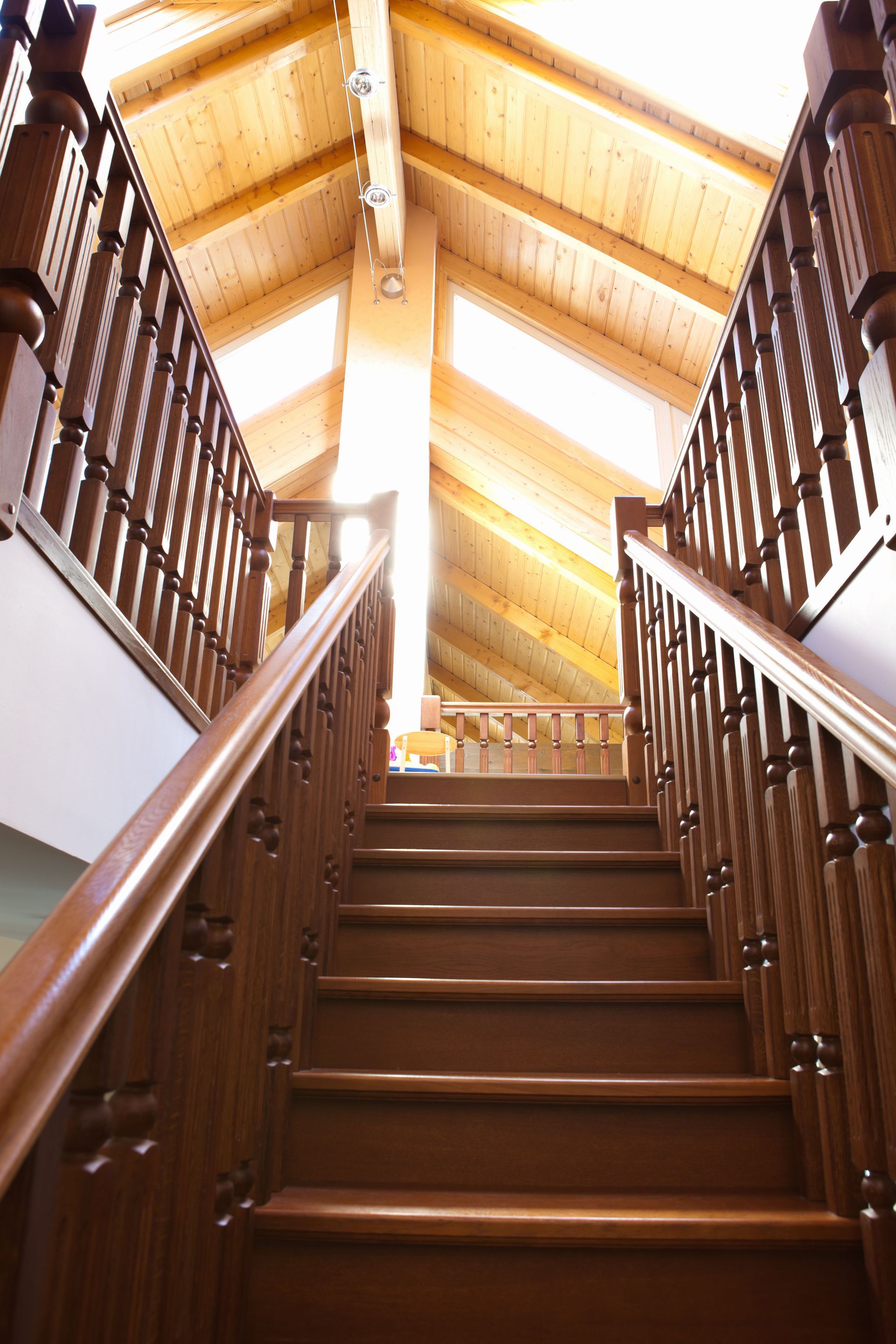
For many individuals, stairs can present a significant barrier. If you or someone in your household struggles to climb steps, even with assistance, it may be time to explore alternative access options. Repeatedly navigating stairs can lead to fatigue, falls, or injury, making daily routines more challenging. A ramp provides a gradual incline, eliminating the hazards associated with stairs while ensuring a smoother, safer transition.
Even if you currently use handrails or other supportive measures, they may not provide sufficient safety for someone with mobility issues. Traditional stairways can be particularly challenging for individuals with balance issues or chronic pain. Installing a wheelchair ramp offers a long-term solution that reduces strain and increases independence, allowing residents to move freely without fear of accidents.
Another consideration is the design of the entryway. Some homes have multiple steps leading to the main door, which may be manageable for able-bodied individuals but difficult for those with limited mobility. Adding a ramp ensures that everyone can access the home comfortably, reducing stress for both caregivers and residents. Ultimately, a ramp creates a safer environment that benefits both residents and visitors every day.
2. Hosting Visitors With Mobility Challenges
Your home might be fine for you, but what about your visitors? If family members, friends, or caregivers have difficulty navigating steps, it’s a clear signal that your home could benefit from a ramp. Without proper access, guests may struggle or even avoid visiting, limiting social interactions and support networks.
Creating a welcoming environment for all visitors is about more than convenience: it’s about inclusivity. A wheelchair ramp ensures that anyone, regardless of mobility, can enter your home safely. This consideration is especially important if you regularly host elderly relatives or individuals with temporary injuries who require assistive devices.
A ramp can prevent awkward or unsafe lifting situations. Without a ramp, caregivers might have to physically carry someone over steps, increasing the risk of injury for both parties. By installing a ramp, you create a safer, more accessible home that accommodates everyone comfortably. Providing this level of accessibility shows care and consideration for every person who comes through your door.
3. Recovering From an Injury or Surgery
Recovering from surgery or dealing with a temporary injury can highlight the need for a wheelchair ramp. For instance, someone who uses crutches or a walker may find stairs nearly impossible to navigate. During recovery, having a ramp can prevent setbacks and allow for easier movement in and out of the home.
Even short-term mobility challenges can reveal gaps in home accessibility. Without a ramp, residents may have to rely heavily on assistance or risk worsening their condition by attempting stairs. A ramp provides a practical solution, ensuring safety while promoting independence during recovery periods.
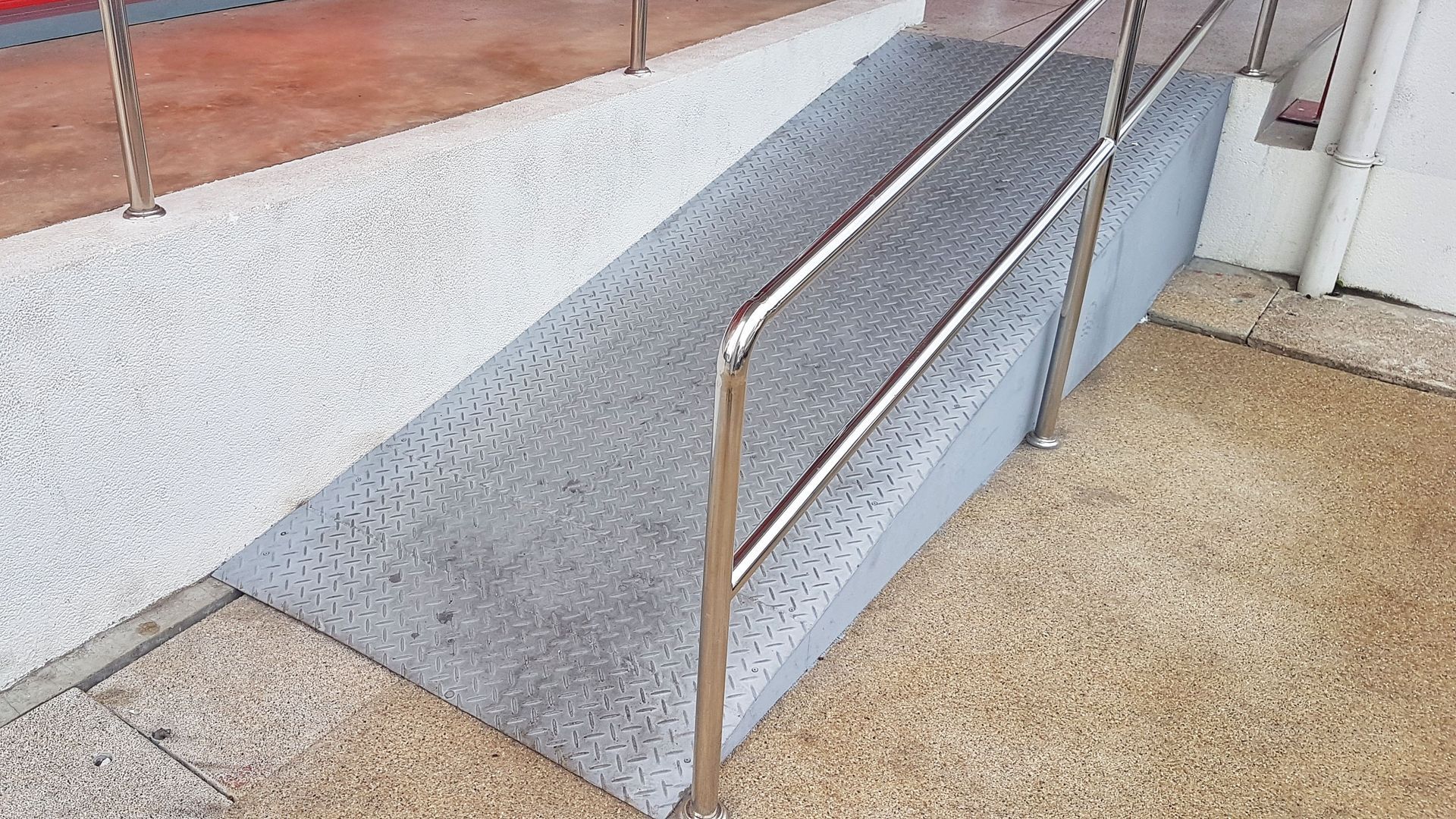
It’s also important to consider long-term implications. Temporary injuries can sometimes reveal ongoing mobility concerns that were previously overlooked. Installing a ramp can serve both immediate and future needs, creating a versatile and accessible entryway. According to the U.S. Access Board, ramps must have handrails on both sides if the rise of the slope is steeper than six inches, ensuring proper safety standards are met. This regulation guarantees that ramps are both functional and secure for everyone who uses them.
4. Planning to Age in Place
As homeowners age, maintaining independence becomes increasingly important. Difficulty with stairs is common among older adults, making daily routines challenging. Installing a ramp allows seniors to remain in their homes longer, supporting the concept of aging in place without compromising safety.
Mobility issues often progress gradually, meaning small obstacles like steps can eventually become significant barriers. A wheelchair ramp provides a proactive solution, eliminating the need for major modifications later on. It allows residents to maintain autonomy and continue participating in daily activities without excessive reliance on others.
Aging in place often involves considering future-proof home improvements. Adding a ramp now can prevent costly renovations down the line. By addressing accessibility early, you create a safer, more functional environment that accommodates changing mobility needs over time. A ramp ensures that aging residents can confidently navigate their home while preserving their independence.
5. Managing Frequent Deliveries or Service Access
Even if household members have no mobility issues, frequent deliveries or service visits can highlight the need for a ramp. Delivery personnel, maintenance workers, and healthcare providers often struggle with steps, which can create safety hazards and inconvenience. A wheelchair ramp benefits not only residents but also anyone entering the home for work or assistance.
Ease of access ensures that important services are completed safely and efficiently. For example, individuals delivering medical equipment, groceries, or other essential items will appreciate the smoother access provided by a ramp. This reduces the risk of accidents and promotes better service interactions.
Additionally, a ramp can enhance curb appeal and demonstrate thoughtful planning. Visitors will recognize that your home prioritizes safety and accessibility, making it welcoming for a broader range of people. Whether for temporary needs or long-term solutions, a ramp can improve the overall functionality of your property. By accommodating everyone who enters, a ramp contributes to a more organized and stress-free home environment.
Recognizing the signs that your home may need a ramp is essential for safety, convenience, and inclusivity. From difficulty navigating stairs to accommodating guests with mobility challenges, these indicators highlight the value of proactive accessibility planning. A ramp not only reduces the risk of accidents but also supports independence for anyone who uses a wheelchair, walker, or other assistive devices. Installing a ramp can be a simple adjustment that has a profound impact on daily life and well-being.
Installing a ramp is a thoughtful investment in your home’s functionality and the well-being of its residents and visitors. By addressing mobility challenges before they become urgent, you create a safer, more welcoming environment for everyone. Whether it’s for short-term recovery, aging in place, or regular visitor access, a wheelchair ramp ensures that your home remains accessible and inclusive. In the long run, making these improvements enhances the comfort, usability, and overall value of your home. By taking action today, you can enjoy peace of mind knowing your home meets the needs of all who enter and provides a foundation for safe, independent living.
Make your home safer and more accessible by reaching out to Patriot Mobility Inc. Our team can help you find the perfect wheelchair ramp for your needs, ensuring ease and independence for everyone.