May 20, 2026
Stair lift installations have become an essential solution for individuals seeking greater mobility and independence in their homes. These devices provide a safe and convenient way to navigate stairs, particularly for those with limited mobility, seniors, or individuals recovering from injuries. Understanding what to expect from stair lift installations can help homeowners make informed decisions and ensure the process is smooth and efficient. In this article, we’ll explore the installation process, factors affecting stair lift selection, safety considerations, and tips for maintaining your stair lift to maximize its lifespan.
1. Understanding Stair Lift Installations
1.1 What a Stair Lift Is
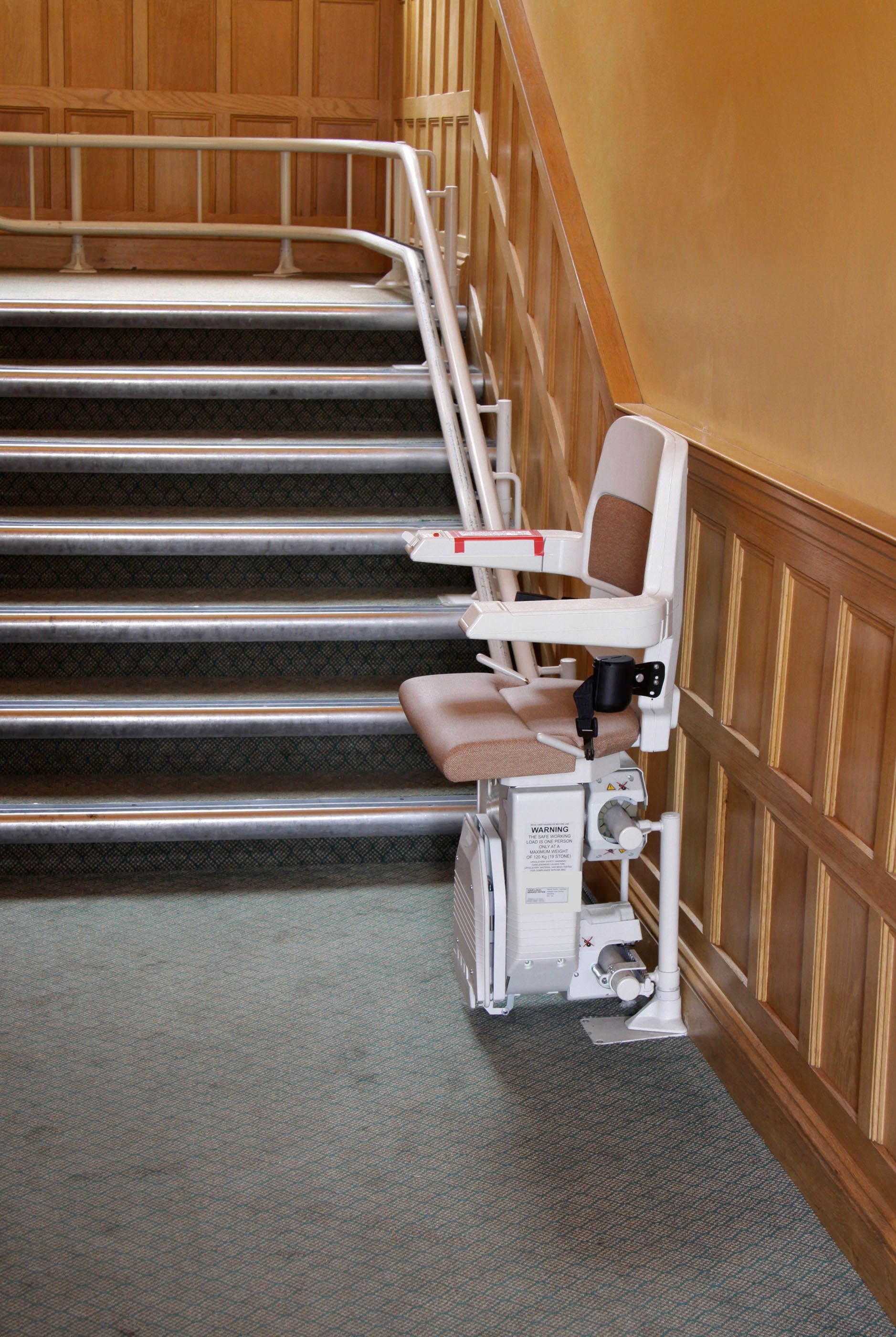
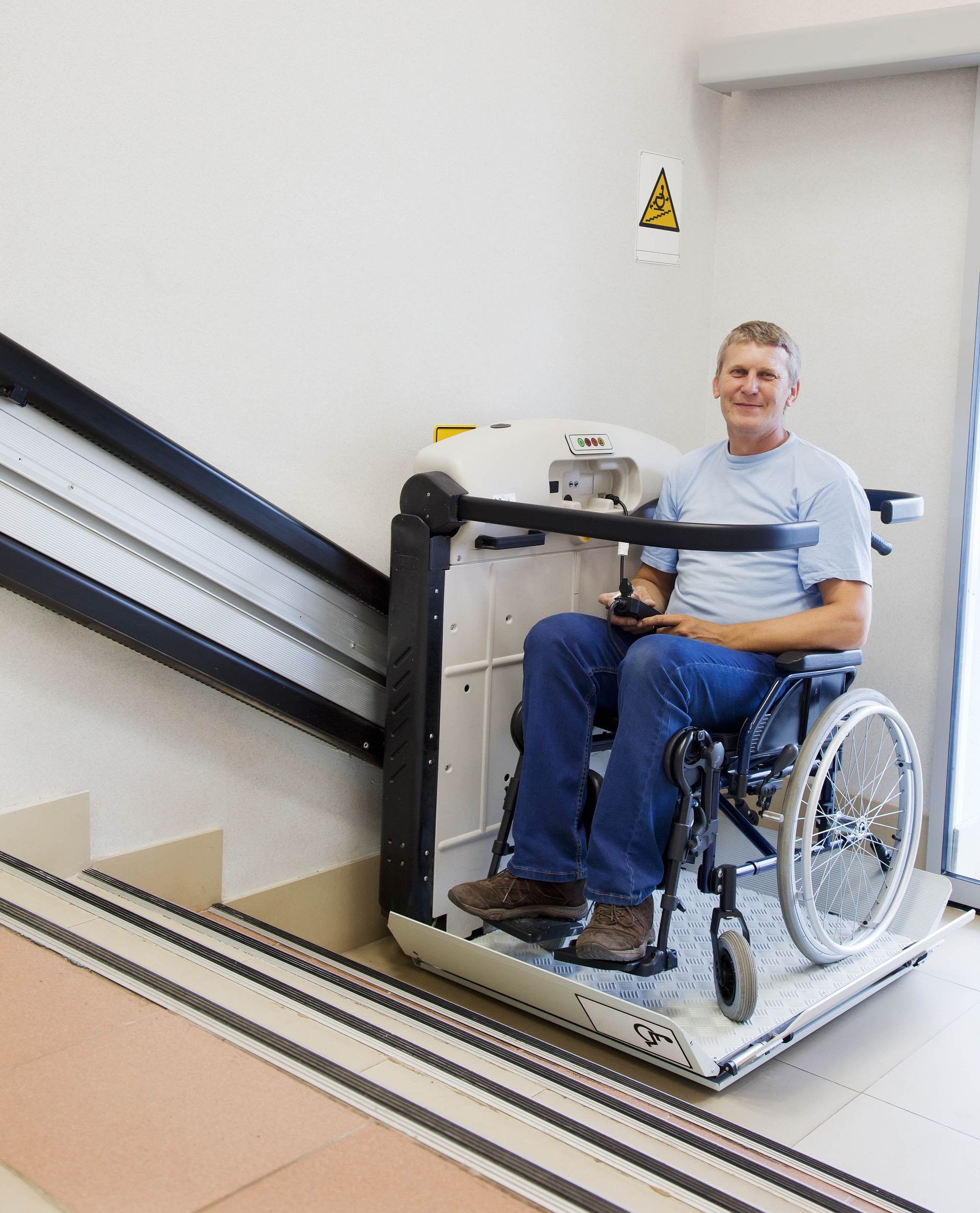
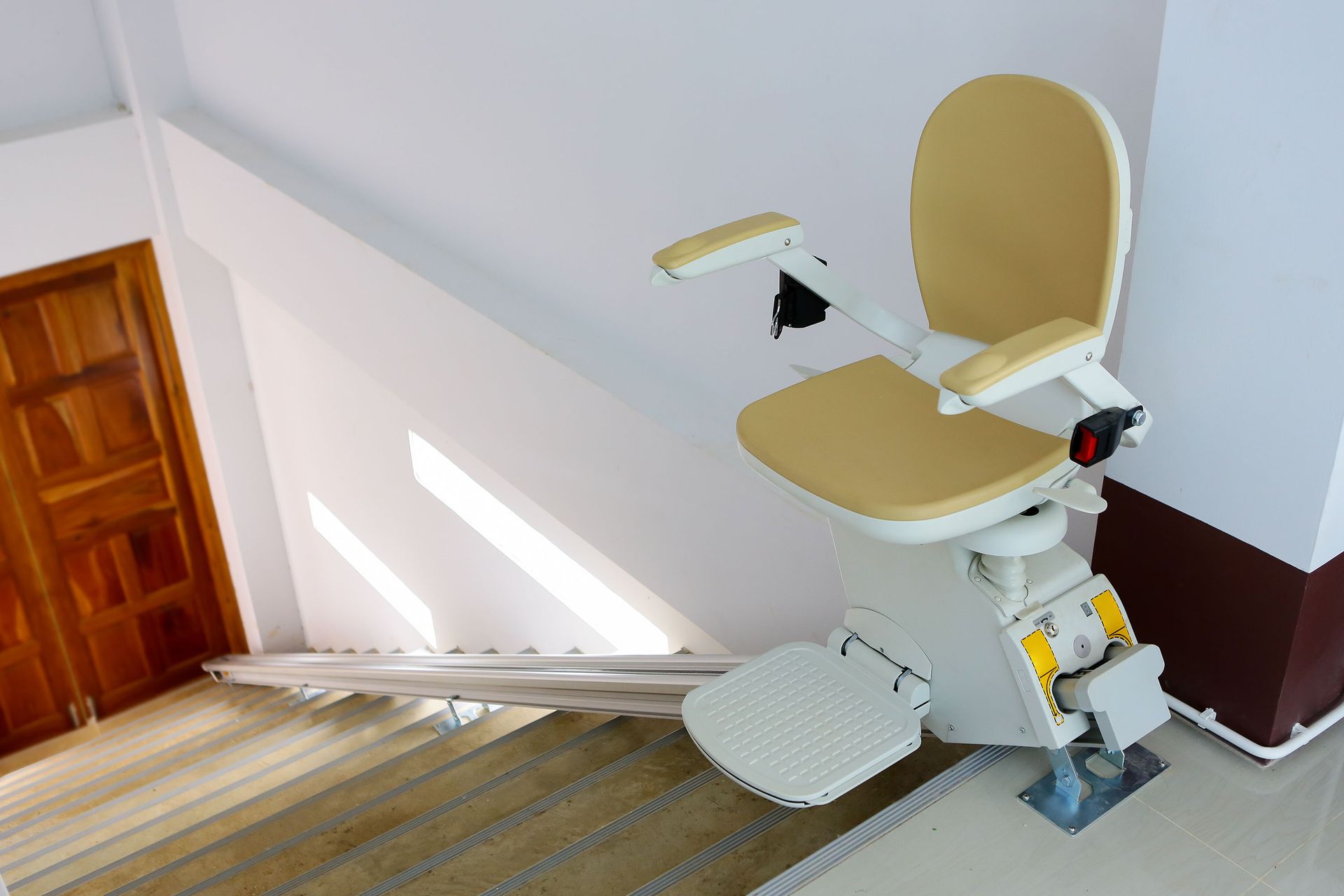
A stair lift is a mechanical device designed to transport individuals up and down stairs safely. It typically consists of a chair or platform that travels along a rail mounted to the staircase. Stair lift installations are available in various designs, including straight and curved models, to accommodate different stair layouts. By providing reliable access to multiple levels of a home, stair lifts significantly improve quality of life, reduce the risk of falls, and allow users to maintain independence without requiring structural changes to their home.
Stair lifts come with a range of features, including swivel seats, seat belts, footrests, and battery backup systems. Choosing the right stair lift and understanding the installation process ensures that the device meets the specific needs of the user while complying with safety standards. With the proper guidance, homeowners can select a model that fits seamlessly into their home environment.
1.2 Why Stair Lift Installations Matter
Stair lift installations are more than just home improvements—they are essential for safety and independence. Stairs pose a significant risk for falls, especially for seniors and individuals with mobility challenges. Installing a stair lift eliminates the need to navigate stairs manually, reducing the potential for injury. Additionally, stair lifts provide peace of mind for family members, caregivers, and individuals, knowing that safe access to all areas of the home is assured. Reliable stair lift installations ensure consistent performance and long-term durability, making them a smart investment in both safety and comfort.
2. The Stair Lift Installation Process
2.1 Initial Consultation and Assessment
The first step in stair lift installations is an initial consultation. A trained professional will assess the staircase, taking precise measurements and evaluating the home’s layout. During this visit, the installer will discuss user needs, weight requirements, and any mobility limitations. The assessment ensures that the selected stair lift model is compatible with the home and can operate safely. Homeowners should ask questions about the installation timeline, warranty, and maintenance options to understand the full scope of the service.
2.2 Customization and Model Selection
Based on the assessment, the installer recommends a stair lift model tailored to the home and the user’s requirements. Stair lift installations can be customized for straight staircases, curved staircases, and even stairs with landings. Additional features, such as adjustable seat heights, folding rails, and remote controls, can enhance usability and convenience. By selecting the right model during this stage, homeowners ensure that the stair lift provides both safety and comfort, while integrating seamlessly into their living space.
2.3 Professional Installation
Professional stair lift installations are typically completed in a few hours for straight stairs, while more complex curved staircases may take longer. The installer secures the rail to the staircase, ensuring it is level and stable, and then attaches the chair or platform. Electrical connections are made if required, and the device is tested extensively to verify smooth operation. A certified technician will also demonstrate how to use the stair lift safely, including proper sitting, securing the seatbelt, and operating controls. Professional installations guarantee compliance with safety standards and prevent future malfunctions.
3. Safety Considerations
3.1 User Safety
Safety is the top priority during stair lift installations. Modern stair lifts are equipped with safety features such as seat belts, obstruction sensors, and emergency stop buttons. Obstruction sensors automatically halt the lift if an object blocks the rail, preventing accidents. Users should always follow manufacturer guidelines, sit properly, and keep feet on the footrest while the lift is in motion. These precautions minimize risk and ensure a secure experience every time the stair lift is used.
3.2 Home Safety
Stair lift installations also require consideration of the surrounding environment. Rails should be positioned to avoid interference with doors, hallways, or other household activities. Keeping stairs clear and maintaining the area around the stair lift free of clutter further enhances safety. Regular inspections by a professional can identify potential hazards, ensuring the lift remains in optimal condition. By addressing both user and home safety, stair lift installations create a secure and accessible environment for all household members.
4. Maintenance and Longevity
4.1 Routine Maintenance
Proper maintenance is crucial to extend the life of a stair lift. Routine checks should include inspecting the rail, lubricating moving parts, and testing the battery backup system. Many stair lift manufacturers offer service plans to schedule regular inspections and preventive maintenance. Regular maintenance prevents unexpected breakdowns and ensures the lift remains safe and functional for years. Homeowners should keep a log of maintenance activities and promptly address any unusual noises or operational issues.
4.2 Troubleshooting Common Issues
Even with proper care, minor issues can arise. Common problems during stair lift installations may include seat misalignment, track obstructions, or battery performance decline. Most issues can be resolved with simple adjustments or professional service visits. Understanding how to troubleshoot common problems empowers users to maintain their stair lift efficiently and avoid prolonged downtime. Timely maintenance and professional support ensure a smooth and reliable stair lift experience.
5. Accessibility Benefits
5.1 Independence and Mobility
Stair lift installations significantly enhance independence for individuals with limited mobility. Users no longer need assistance to navigate stairs, allowing them to move freely between floors. This increased autonomy boosts confidence and quality of life. Additionally, stair lifts enable aging individuals to remain in their homes longer, delaying or preventing the need to relocate to assisted living facilities. Reliable stair lift installations ensure that users can move safely and comfortably every day.
5.2 Wider Impact
According to the US Department of Transportation, an estimated 5.5 million Americans use a wheelchair, and many encounter barriers when it comes to air travel. Stair lift installations help address accessibility challenges in homes, allowing users to navigate private spaces more efficiently. This not only benefits wheelchair users but also seniors, individuals recovering from surgery, and those with temporary mobility impairments. The broader impact of stair lifts includes enhanced independence, improved safety, and reduced strain on caregivers.
6. Choosing a Trusted Installer
6.1 Research and Recommendations
Selecting a trusted provider is essential for successful stair lift installations. Homeowners should research local companies, read reviews, and seek recommendations from friends or healthcare professionals. A reputable installer will provide a thorough assessment, professional installation, and ongoing support. Choosing experienced professionals ensures compliance with safety standards and reduces the likelihood of errors during installation.
6.2 Warranty and Support
Reliable stair lift installations come with warranties and post-installation support. Warranties cover parts, labor, and sometimes annual service visits, giving users peace of mind. Support services help address issues promptly, maintaining safety and performance. Knowing that technical support is available ensures the longevity of the stair lift and enhances user confidence in the device.
7. Cost Considerations
Stair lift installations vary in cost based on factors such as the type of staircase, customization, and additional features. Straight staircases typically have lower installation costs, while curved staircases or lifts with specialized options may be more expensive. Homeowners should consider long-term benefits, such as safety, independence, and reduced caregiver assistance, when evaluating costs. Financing options and insurance coverage may also help make stair lifts more accessible.
Stair lift installations are a valuable investment for anyone seeking safer and more accessible home environments. By understanding the installation process, safety features, maintenance requirements, and accessibility benefits, homeowners can make informed decisions. Choosing a trusted installer ensures professional service, reliability, and compliance with safety standards. Whether for seniors, individuals with mobility limitations, or those recovering from injury, stair lifts provide independence, convenience, and peace of mind. With proper care and professional installation, a stair lift can become an indispensable part of a safe, accessible home.