May 22, 2026
The journey toward home accessibility begins with a deep dive into the mechanical and electrical wonders of the modern stair lift. These devices are far more than simple chairs on tracks; they are complex pieces of mobility engineering designed to bridge the gap between floors. By understanding the inner workings of these machines, homeowners can make informed decisions about their long-term comfort.
The evolution of accessibility technology has transformed the residential landscape for thousands of individuals. What once required significant structural renovations can now be achieved with a streamlined, rail-based system. Every stair lift represents a fusion of safety, durability, and user-centric design that prioritizes the dignity of the person using it.
The integration of these various technologies creates a seamless experience for those reclaiming their homes. As engineering continues to evolve, these devices become even more discreet and capable. Investing in a high-quality mobility solution changes lives by removing physical barriers and ensuring that every floor of a residence remains accessible to everyone, regardless of their physical limitations.
Evaluating the Motor and Drive Systems
The core of any mobility unit is the motor, which provides the necessary torque to move a person safely against gravity. Most modern systems utilize a rack and pinion drive, where a circular gear engages with a flat, toothed rail.
- High-torque DC motors
- Precision gear engagement
- Quiet vibration dampening
Engineers focus heavily on the smoothness of the start and stop cycles. A sudden jolt could be distressing for a user with joint pain or balance issues, so the motor controllers utilize soft-start technology. This electronic oversight allows the stair lift to accelerate gradually, reaching a comfortable cruising speed before gently slowing down at the destination landing.
This gradual transition is managed by sophisticated speed governors located within the motor housing. These governors monitor the velocity of the carriage at all times to prevent over-speeding. If the system detects any movement that exceeds the safety threshold, a mechanical brake engages instantly to lock the unit in place.
Analyzing Power Sources and Battery Backups
Reliability is the most critical factor when discussing mobility equipment, especially during unforeseen circumstances like a storm. Most systems operate on a dual-battery configuration located within the carriage itself. These batteries provide the DC power needed to move the motor, while the home’s electrical outlet serves as a constant trickle charger for the system.
- Continuous charging strips
- Deep-cycle battery cells
- Automatic power conservation
According to the ADA National Network, the Americans with Disabilities Act (ADA) was signed into law 35 years ago in 1990. This landmark legislation set the stage for higher standards in accessibility products across the country. Because the stair lift relies on its internal batteries, it remains fully operational even if the rest of the house loses electricity, ensuring no one is stranded between floors.
The charging system is designed to be completely hands-off for the homeowner. Copper brushes on the carriage maintain contact with a charging strip inside the rail to replenish the power cells. This ensures that the device is always topped off and ready for its next journey, providing a level of independence that is not tethered to the stability of the local power grid.
Reviewing Safety Sensors and Obstruction Detection
Modern engineering prioritizes the prevention of accidents through a network of sensitive electronic sensors. These sensors are strategically placed around the footrest and the main carriage to monitor the environment for obstacles. If a pet, a piece of clothing, or a forgotten toy is detected on the steps, the unit will halt immediately.
- Sensitive safety edges
- Pressure-activated cutouts
- Instantaneous braking response
This technology relies on a constant loop of data sent to the primary circuit board. Once the sensor detects resistance, it breaks the electrical circuit to the motor, stopping the stair lift in its tracks.
The safety system also includes an overspeed governor that acts as a final fail-safe. If the motor should fail or the drive gear should lose contact, this mechanical device activates to clamp the rail firmly.
Inspecting Rail Design and Structural Integrity
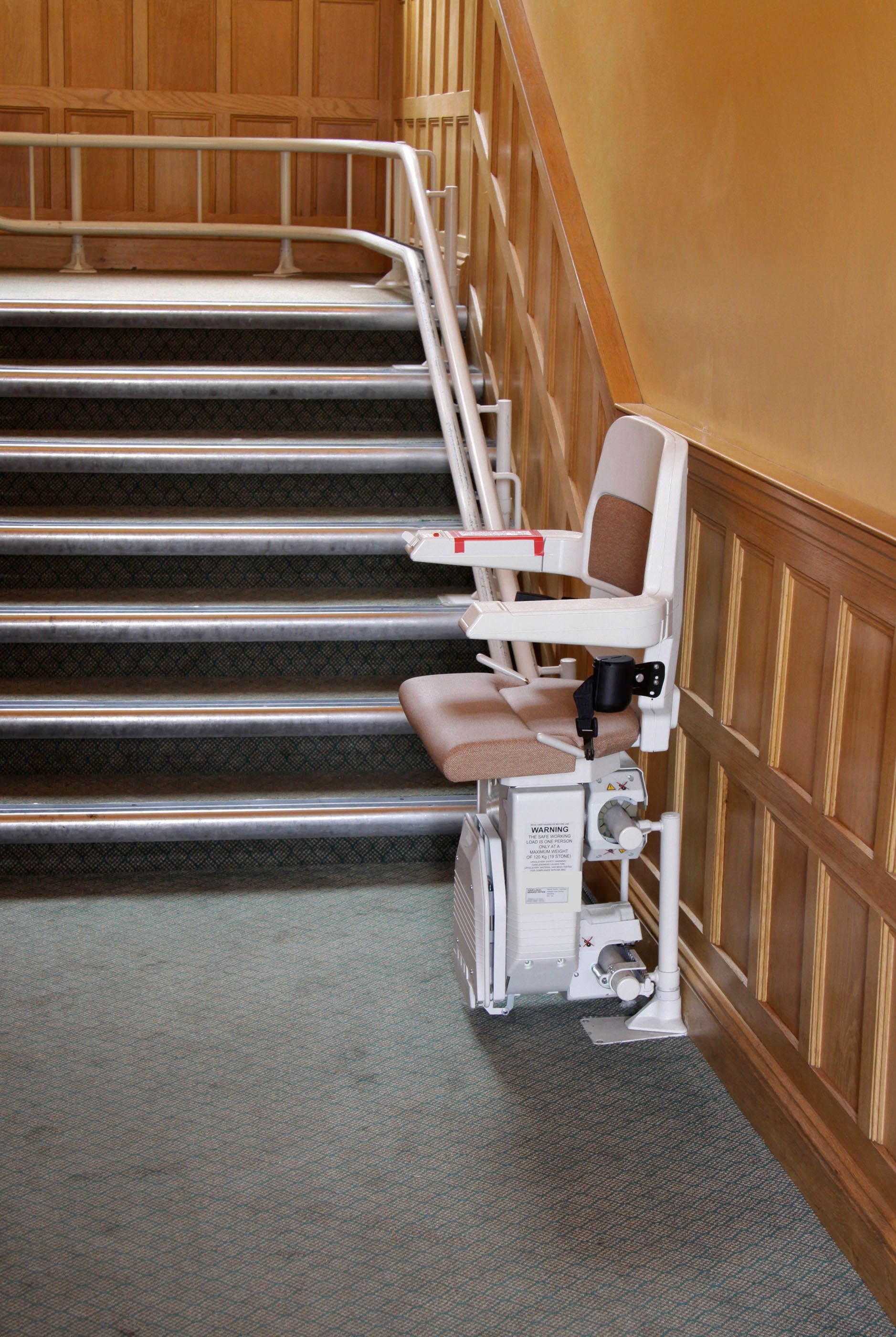
The rail is the backbone of the entire installation, providing both the path and the support for the user. Each rail is constructed from high-grade extruded aluminum or steel to ensure it can handle significant weight without flexing. For staircases with turns or landings, the rails are custom-bent using computer-controlled machinery to follow the exact contour of the wall.
- Customized curvature profiles
- Heavy-duty mounting brackets
- Powder-coated protective finishes
Technicians must ensure that the rail is anchored securely to the treads of the stairs rather than the wall. This distribution of weight ensures that the structural integrity of the home is maintained while providing a rock-solid foundation for the stair lift. Every inch of the track is inspected to ensure there are no burrs or misalignments that could cause friction.
A well-designed rail also accounts for the narrowness of the staircase. Engineers strive to keep the profile of the track as close to the wall as possible.
Examining Control Interfaces and User Ergonomics
The interaction between the user and the machine must be as intuitive as possible. Controls are typically designed as large toggles or joysticks that require very little pressure to operate. This is particularly helpful for individuals who may struggle with arthritis or limited grip strength in their hands.
- Ergonomic joystick toggles
- Wireless infrared remotes
- Digital status indicators
In addition to the armrest controls, most installations include wall-mounted remotes at the top and bottom of the stairs. These allow a person to "call" or "send" the stair lift to a different level. This functionality is vital for households with more than one person who needs assistance, as it ensures the chair is always where it needs to be.
The placement of the controls is tested for maximum comfort and ease of access. The goal is to allow the user to keep their arm in a relaxed position while navigating the stairs. Clear, illuminated displays on the carriage provide immediate feedback about the status of the machine, which helps in identifying any maintenance needs early.
Comparing Swivel Seats and Folding Components
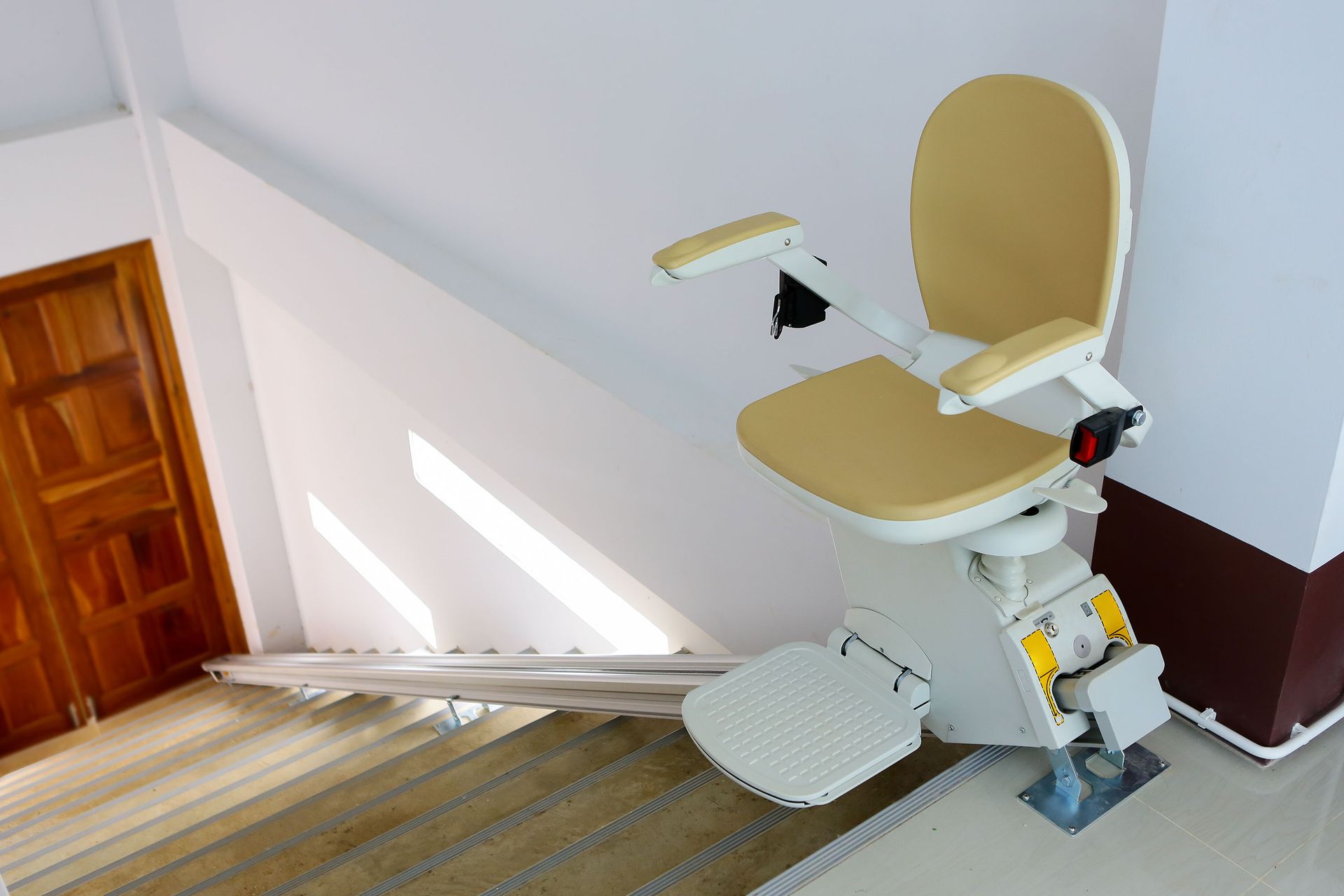
The final stage of a safe journey is the transition from the chair to the landing. Swivel seat technology allows the chair to rotate away from the stairs and toward the hallway floor.
- Manual or powered swivels
- Space-saving folding seats
- Retractable safety belts
To keep the stairway passable for others, the seat, arms, and footrest all fold upward when not in use. This clever design ensures that the stair lift does not become a tripping hazard for the rest of the family. The compact profile allows the unit to blend into the home environment while remaining ready for the next trip at a moment's notice.
The upholstery of the seat is often designed with durable, easy-to-clean materials that provide both comfort and longevity. Many manufacturers offer different seat heights and widths to ensure a custom fit for the specific needs of the user.
The sophistication of these systems reflects decades of refinement in the field of assistive technology. From the silent operation of the motor to the precision of the custom rails, every detail is engineered for peace of mind. Reclaiming the full use of a home is a profound experience that begins with these technical foundations and continues with the reliability of the hardware.
By choosing a system built on these rigorous standards, you ensure that your home remains a place of comfort and safety. Navigating the levels of your residence should never be a source of stress or physical strain. Reach out to Patriot Mobility Inc to explore the best options for your residence.