February 25, 2026
Choosing the right provider for a ramp installation is about more than hiring someone to build a structure. A wheelchair ramp directly affects mobility, safety, independence, and the overall usability of a home or commercial space. Because accessibility needs are often immediate and deeply personal, it is important to approach the hiring process with preparation and clarity. Asking thoughtful, well-structured questions helps you evaluate qualifications, craftsmanship, communication style, and long-term support before signing a contract.
Accessibility remains a significant challenge across the country. According to Brain and Life, it was found that only 5% of housing in the US is accessible, and only 1% can accommodate wheelchairs. That reality makes each properly installed ramp an important step toward greater inclusion. When meeting with wheelchair ramp installers, the right questions will help you determine who is best equipped to deliver a solution that fits your property, timeline, and long-term goals.
What Types of Ramps Do You Install, and Which Do You Recommend for My Property?
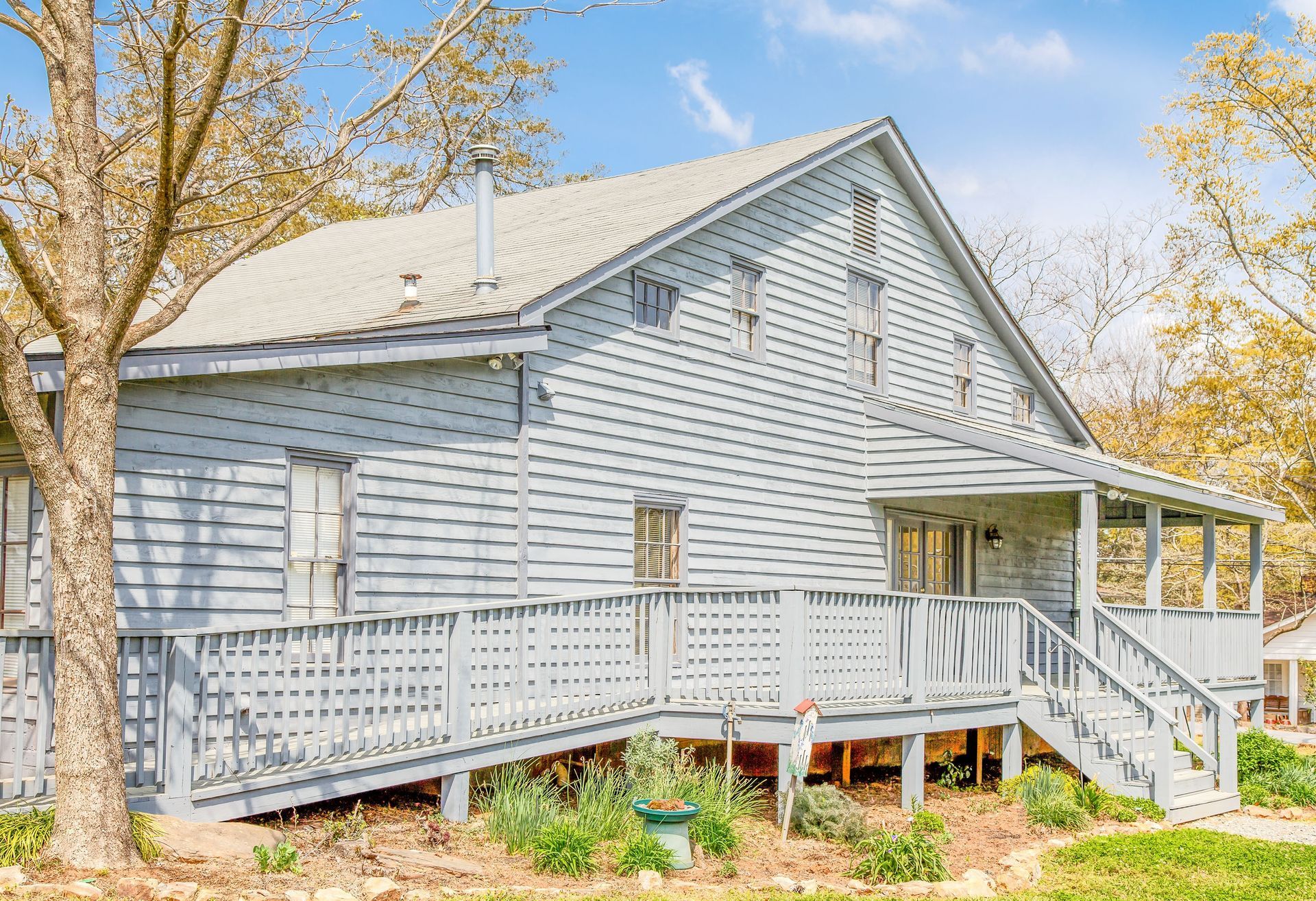
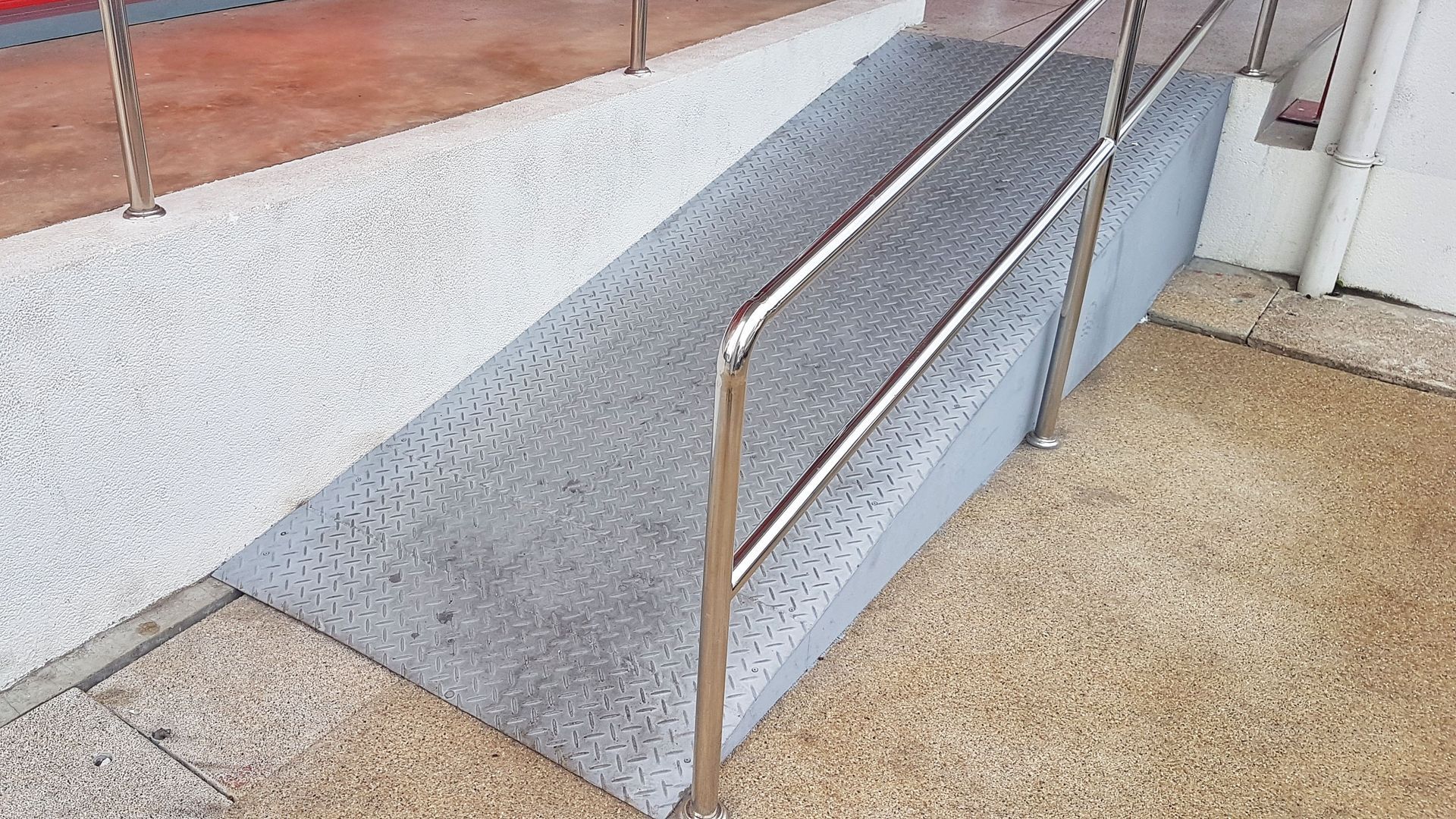
This question opens the door to understanding the installer’s range of services and their ability to tailor a solution to your specific needs. Not all wheelchair ramp installers offer the same products. Some focus on modular aluminum systems, while others build custom wood or steel ramps designed for permanent installation. By asking what types of ramps they install, you gain insight into whether their expertise aligns with your project.
Asking which option they recommend for your property is just as important as doing your own research. A knowledgeable installer should evaluate your entry height, available space, ground conditions, and daily usage requirements before suggesting a solution. Their explanation should reflect careful consideration rather than a one-size-fits-all answer. When installers can clearly explain why a particular ramp type is the best fit, it demonstrates experience and thoughtful planning.
What Materials Do You Use, and How Do They Affect Durability and Maintenance?
Material selection significantly influences the ramp’s lifespan, upkeep requirements, and overall appearance. Asking about materials allows you to compare options such as aluminum, wood, and steel in terms of durability, weather resistance, and structural strength. Each material comes with advantages and trade-offs, and the installer should be able to explain those differences in practical terms.
For example, aluminum ramps are often lightweight and resistant to corrosion, which can be beneficial in regions with heavy rain or snow. Wooden ramps may offer a more natural look, but typically require sealing or staining over time. Steel ramps can provide added strength in high-traffic commercial settings. Understanding these distinctions helps you evaluate not only upfront costs but also long-term maintenance responsibilities.
This question also clarifies how the ramp will perform in your specific climate. Exposure to moisture, temperature fluctuations, and sun can all affect material longevity. By discussing maintenance expectations early, you reduce the risk of unexpected repairs or premature replacement.
How Do You Evaluate the Site and Plan the Installation?
A thorough site assessment is the foundation of a safe and functional ramp. Asking about the evaluation process helps you gauge how carefully the installer approaches design and construction. Reputable wheelchair ramp installers typically begin by measuring entry heights, assessing slope requirements, examining ground stability, and identifying potential obstacles such as landscaping or utility lines.
Understanding their planning process is just as important. Ask how they translate site measurements into a detailed design and how they account for proper slope ratios, landings, and handrails. The explanation should demonstrate a structured workflow rather than guesswork. A well-defined planning phase reduces the likelihood of mid-project changes that could increase costs or delay completion.
Can You Share References or Examples of Similar Projects?
Past performance offers valuable insight into what you can expect. Asking for references or examples allows you to evaluate craftsmanship, professionalism, and reliability. Speaking directly with previous clients can reveal whether projects were completed on schedule, whether cost estimates were accurate, and how effectively the installer communicated throughout the process.
Reviewing photos or case studies of completed ramps also helps you assess quality. Look for clean finishes, proper rail alignment, and thoughtful integration with the surrounding property. If your installation involves unique challenges, such as limited space or uneven terrain; ask for examples of similar projects the installer has completed.
How Do You Handle Permits and Building Code Compliance?
Ramp installation often involves local regulations and inspection requirements. Asking how the installer manages permits clarifies whether they will handle documentation and coordination with municipal offices. Navigating these processes can be time-consuming, and experienced wheelchair ramp installers typically guide clients through each step.
Compliance with building codes and accessibility standards is essential for safety and legality. Discuss how slope ratios, landing dimensions, and handrail specifications are determined. The installer should be able to explain how they stay informed about current regulations and how inspections are scheduled.
Addressing compliance early prevents costly corrections later. It also provides reassurance that your ramp will meet established safety standards. Clear answers in this area demonstrate professionalism and organizational competence.
What Is Included in the Estimate, and How Are Additional Costs Managed?
Financial clarity is critical in any construction project. Asking for a detailed, written estimate allows you to see exactly what is covered in the proposed price. Materials, labor, site preparation, permit fees, and cleanup should all be clearly outlined. This transparency makes it easier to compare proposals from different wheelchair ramp installers.
You should also ask how unexpected costs are handled. If site conditions require adjustments, how will those changes be documented and approved? Understanding the process for change orders protects you from surprise charges and supports open communication.
Discussing payment schedules is equally important. Clarify deposit requirements, milestone payments, and acceptable payment methods. When financial terms are clearly defined, both parties can move forward with confidence.
What Warranty and Ongoing Support Do You Provide After Installation?
The final question focuses on long-term performance. A ramp is an investment in accessibility, and you should know what support is available after construction is complete. Ask about warranty coverage for both materials and workmanship, including duration and specific inclusions.
Inquire about recommended maintenance and whether the installer offers inspection or repair services. Over time, exposure to weather and regular use can affect structural components. Knowing how service requests are handled and how quickly repairs are typically addressed helps you plan for the future.
Wheelchair ramp installers who provide clear warranty terms and responsive support demonstrate a commitment to lasting quality. This question reinforces the idea that installation is only the beginning of an ongoing relationship centered on safety and functionality.
Hiring the right professional requires more than a quick comparison of quotes. By asking detailed questions about ramp types, materials, planning processes, past projects, compliance procedures, pricing structures, and post-installation support, you gain the information needed to make a thoughtful decision. These conversations allow you to evaluate communication, craftsmanship, and long-term service before committing to a project.
A properly installed ramp promotes mobility, independence, and safer access to everyday spaces. Taking the time to interview
wheelchair ramp installers carefully helps you select a provider who aligns with your goals and expectations. If you are preparing to add a ramp to your home or business, start reaching out to qualified professionals today at Patriot Mobility Inc and take the next step toward creating a more accessible environment.